Tummy
Tuck
Restore a flat, toned abdomen — removing excess skin, repairing separated abdominal muscles (diastasis recti), and eliminating the post-pregnancy or post-weight-loss belly that diet and exercise cannot fix.






What Is a Tummy Tuck (Abdominoplasty)?
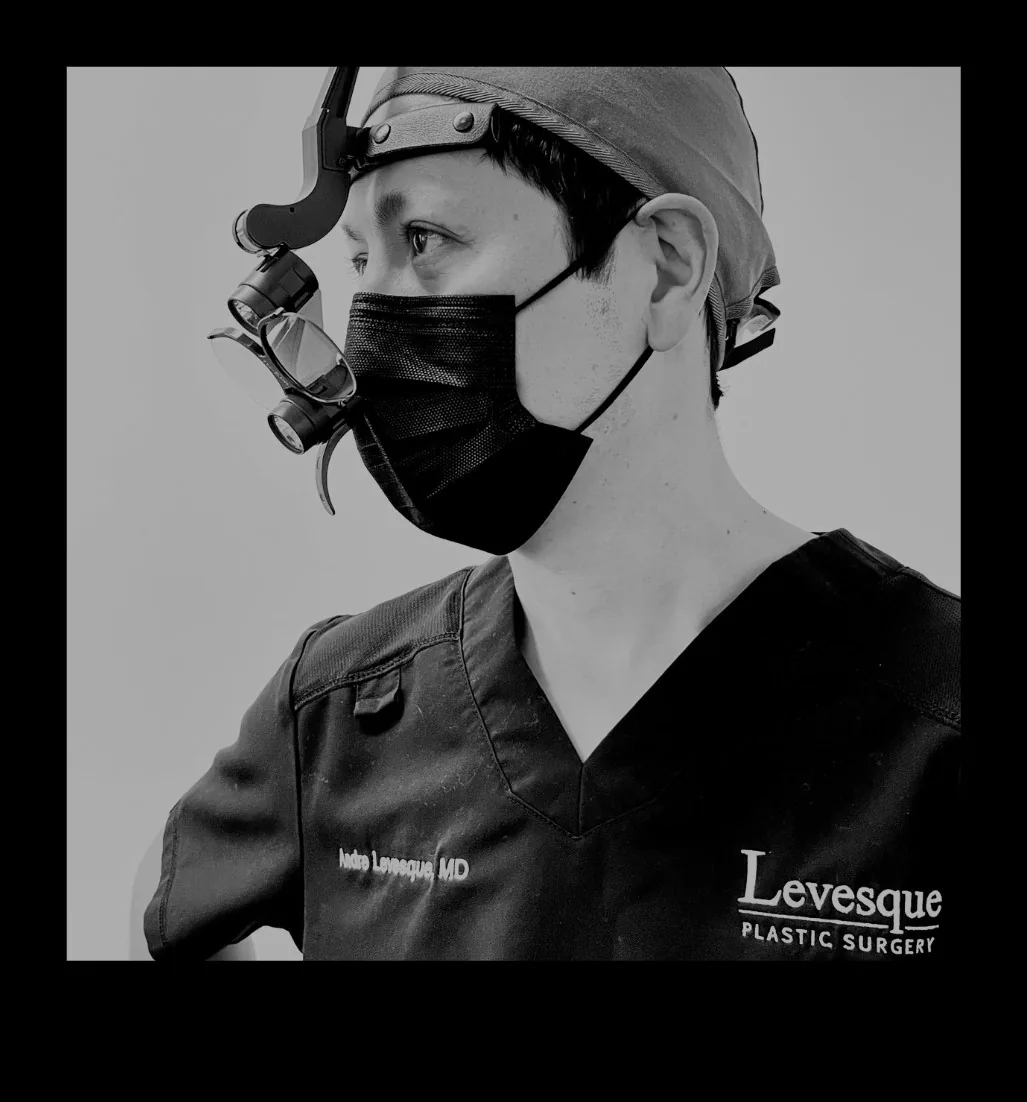
✓ Medically reviewed by Dr. Andre Y. Levesque, MD · Board-certified plastic surgeon (ABPS) · Last reviewed June 26, 2026
A tummy tuck (abdominoplasty) removes excess abdominal skin and fat, repairs separated or weakened abdominal muscles (diastasis recti), and creates a flatter, tighter abdominal contour. It directly addresses changes that diet, exercise, and even significant weight loss cannot reverse — primarily loose, excess skin and muscle separation caused by pregnancy or massive weight changes.
Dr. Andre Y. Levesque performs abdominoplasty in Austin, TX using the full abdominoplasty technique for most patients (removing skin below the navel), the mini-abdominoplasty for patients with concerns limited to the lower abdomen, and the extended or fleur-de-lis abdominoplasty for patients with excess skin around the flanks or following massive weight loss. Patients with loose skin extending around the entire waistline, hips, and outer thighs after major or GLP-1 weight loss may be better served by a lower body lift, which addresses the abdomen and the circumference together.
Diastasis recti — the separation of the rectus abdominis muscles that commonly occurs during pregnancy — is repaired with internal sutures as part of the tummy tuck. This muscle repair is critical for both appearance (eliminating the "mommy pouch") and function (core strength). No amount of exercise can repair diastasis recti — it requires surgical correction.
Many patients combine a tummy tuck with liposuction of the flanks, back, or thighs for more comprehensive body contouring. This combination — commonly called a mommy makeover — is planned and performed in a single surgery when appropriate.
True Abdominal Restoration — Muscle and Skin
A tummy tuck is more than skin removal. The muscle repair component — plicating the diastasis to reconstruct the abdominal wall — is the element that produces a truly flat, strong abdomen rather than just tighter skin over a bulging core. Dr. Levesque addresses both every time.
His approach includes liposuction of the upper abdomen in conjunction with the skin excision when appropriate — producing the flattest, most contoured result possible and avoiding the "step-off" deformity that can result from skin excision alone without volume reduction above the cut.
Which Tummy Tuck Is Right for You?
Not every abdomen needs the same operation. Dr. Levesque matches the technique to how much loose skin you have, whether the abdominal muscles have separated, and where your fat sits — so you get the result you want with the least surgery necessary.
Mini Tummy Tuckwith umbilical float
For laxity limited to the area below the belly button. The incision is shorter and there's no scar around the navel — instead the belly button is temporarily "floated" (released from the underlying muscle and eased down slightly) so the lower skin can be tightened and the lower muscle gap repaired through one low incision. Best for patients with minor lower-abdominal skin excess and good tone above the navel.
Full Tummy Tucklipoabdominoplasty
The workhorse for post-pregnancy and post-weight-loss abdomens. Liposuction refines the waist and flanks, excess skin from the navel down is removed, the full length of separated muscle (diastasis recti) is repaired, and the belly button is brought out through a fresh, natural-looking opening. Delivers the most complete flattening and waist definition.
Extended / Body Liftcircumferential excess
When loose skin wraps past the flanks to the hips and back — common after major or GLP-1 weight loss — the incision extends further around the waistline. At its fullest, this becomes a lower body lift, lifting the abdomen, hips, outer thighs, and buttocks together.
Lipoabdominoplasty vs. the traditional tummy tuck
A traditional abdominoplasty widely lifts the skin and fat off the muscle all the way up to the rib cage in order to tighten the wall. That extensive undermining divides many of the small perforating blood vessels and lymphatic channels that feed the abdominal skin — which is why the classic operation historically relied on surgical drains and carried a higher rate of fluid collections (seroma) and healing problems.
Dr. Levesque instead performs a lipoabdominoplasty: liposuction first thins and mobilizes the tissue, and the muscle repair is completed through a limited central tunnel rather than stripping the entire abdomen to the ribs. Preserving those perforating vessels keeps the skin flap well-perfused — and that blood supply is exactly what makes a drainless, same-day outpatient recovery both possible and safe.
Dr. Levesque is lead author of “Outpatient Lipoabdominoplasty: Review of the Literature and Practical Considerations for Safe Practice” (Aesthetic Surgery Journal, 2013) — the peer-reviewed foundation of the safe, drainless, same-day approach he uses in Austin. View on PubMed ↗
High-definition results that work with your anatomy
When it suits your goals, Dr. Levesque pairs the tummy tuck with high-definition liposuction to reveal — not fake — the natural architecture of the abdominal wall. Fat is selectively sculpted around the muscles the core is actually built on:
Rectus abdominis — the paired vertical "six-pack" muscles. · Linea alba — the midline groove between them that muscle repair tightens and defines. · Linea semilunaris — the curved lines at the outer border of each rectus that frame the abdomen. · External obliques — the flank muscles that create the tapered waist.
By etching fat over and between these landmarks while the muscle repair restores a tight midline, the result is a flatter, more athletic, and more defined abdomen than skin tightening alone can achieve — contoured to your frame, never overdone.
What to Expect
From your first consultation to your final result, here's how the process works at Levesque Plastic Surgery.
Consultation
Dr. Levesque evaluates your abdominal wall, assesses diastasis, examines skin excess, and recommends the appropriate technique. He discusses combining with liposuction if indicated and reviews realistic expectations for scar placement and recovery.
Surgery Day
Tummy tuck takes 2.5–4 hours under general anesthesia. Diastasis is repaired, excess skin is removed, the navel is repositioned (if needed), and incisions are closed in layers. You go home the same day.
Recovery & Results
Recovery requires 2–3 weeks off work and 4–6 weeks before full activity. Compression garment is worn for 6 weeks. Results are dramatic from the start; final contour settles over 6–12 months as swelling fully resolves.
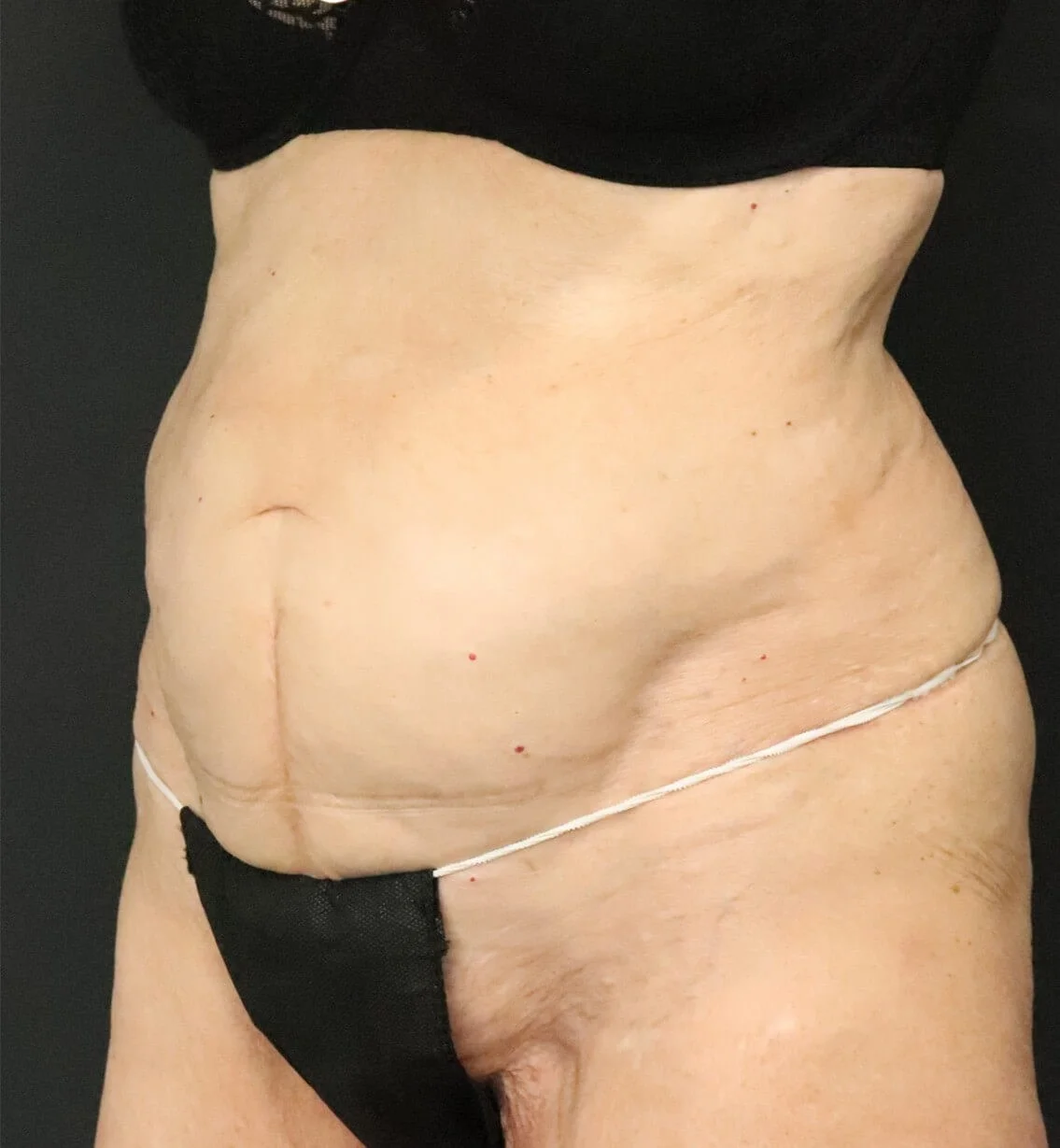
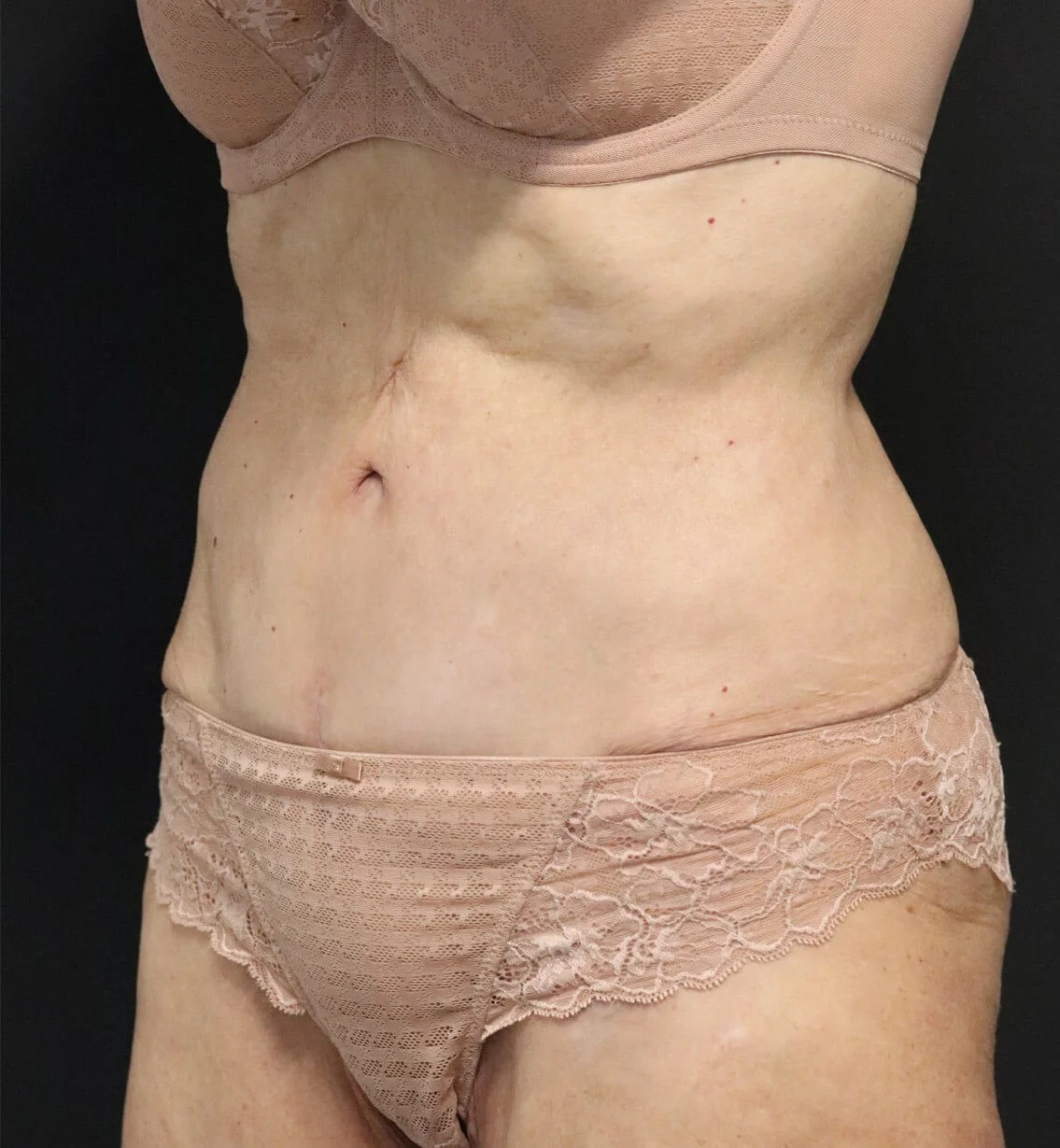
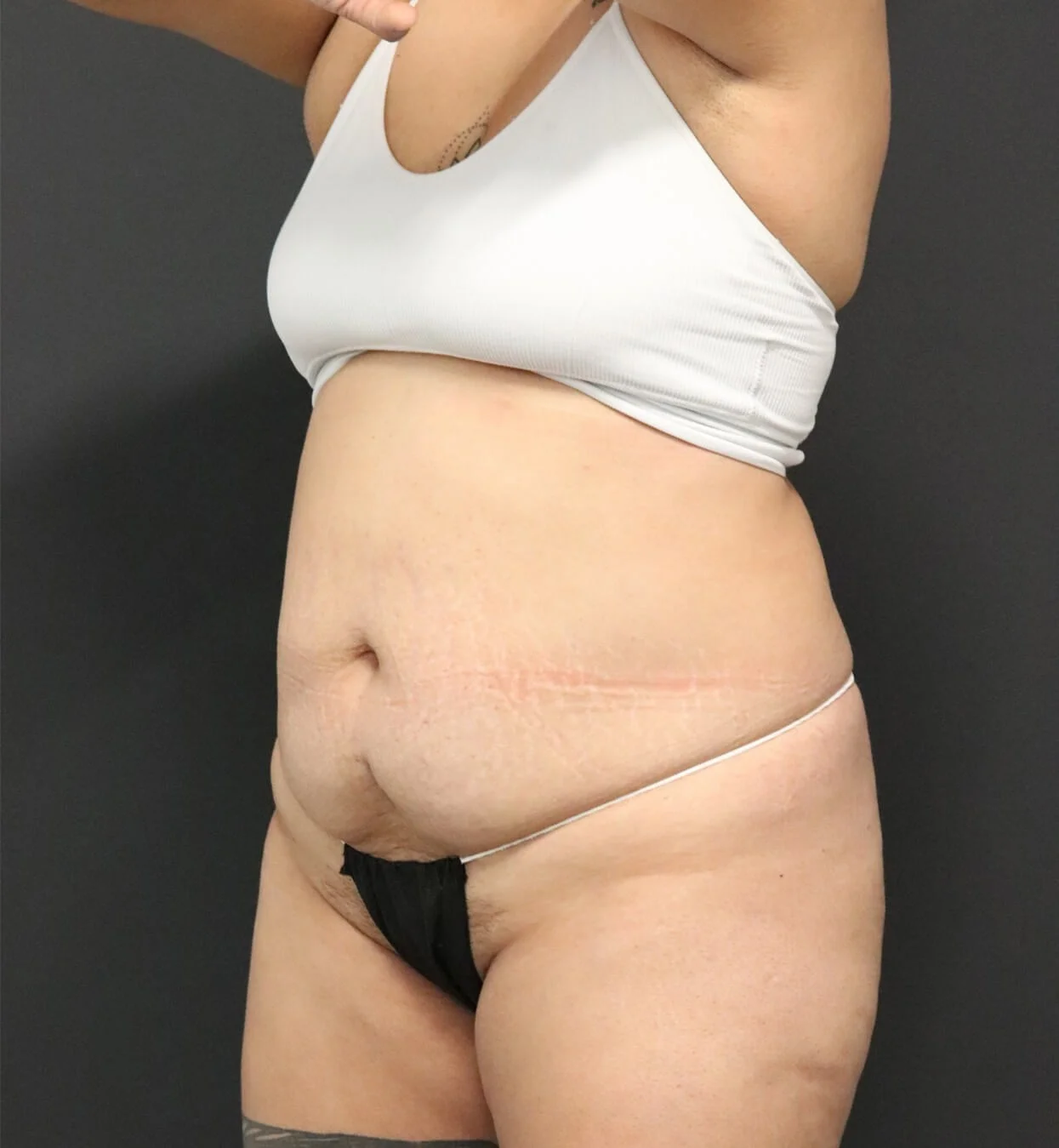
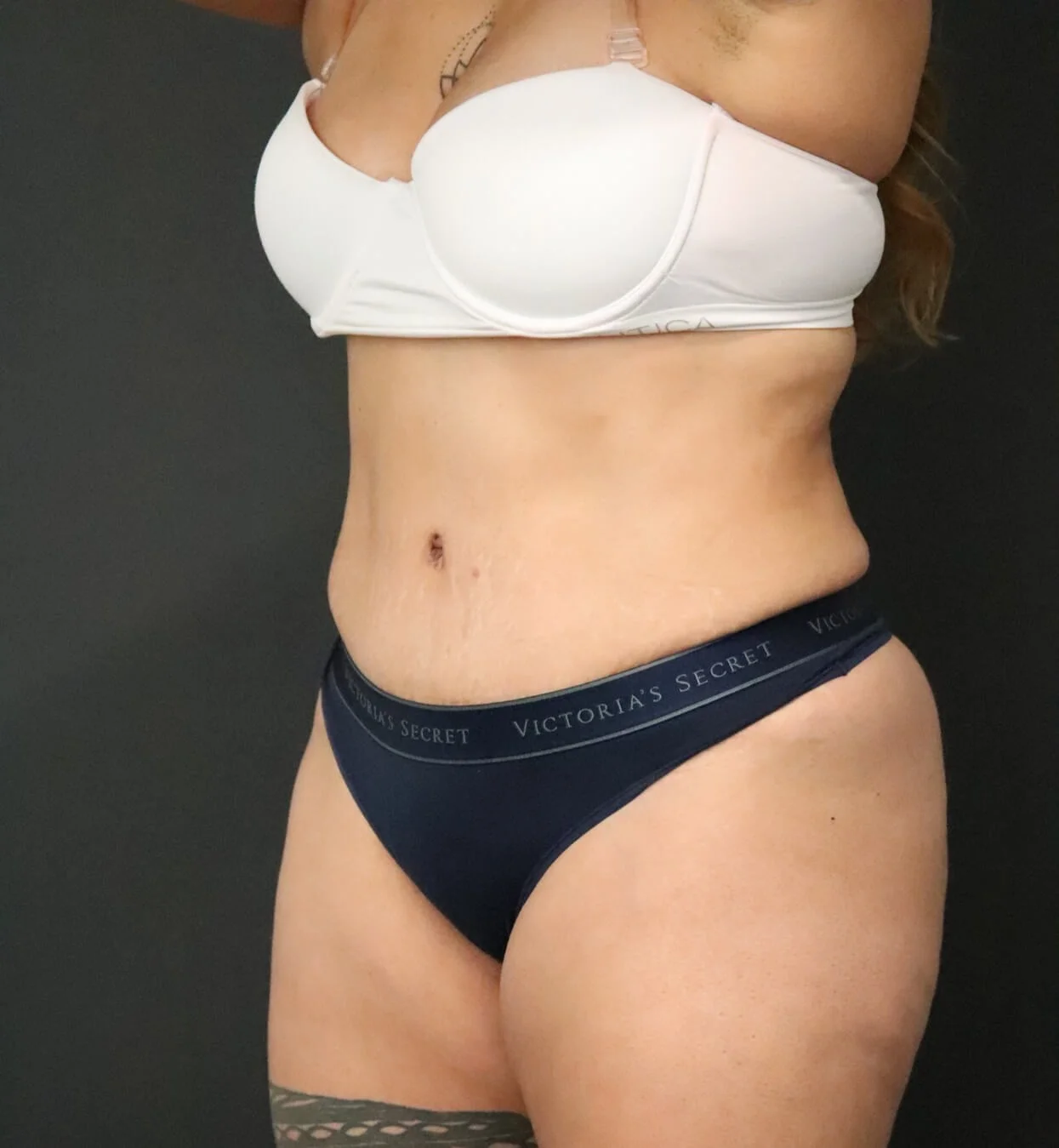
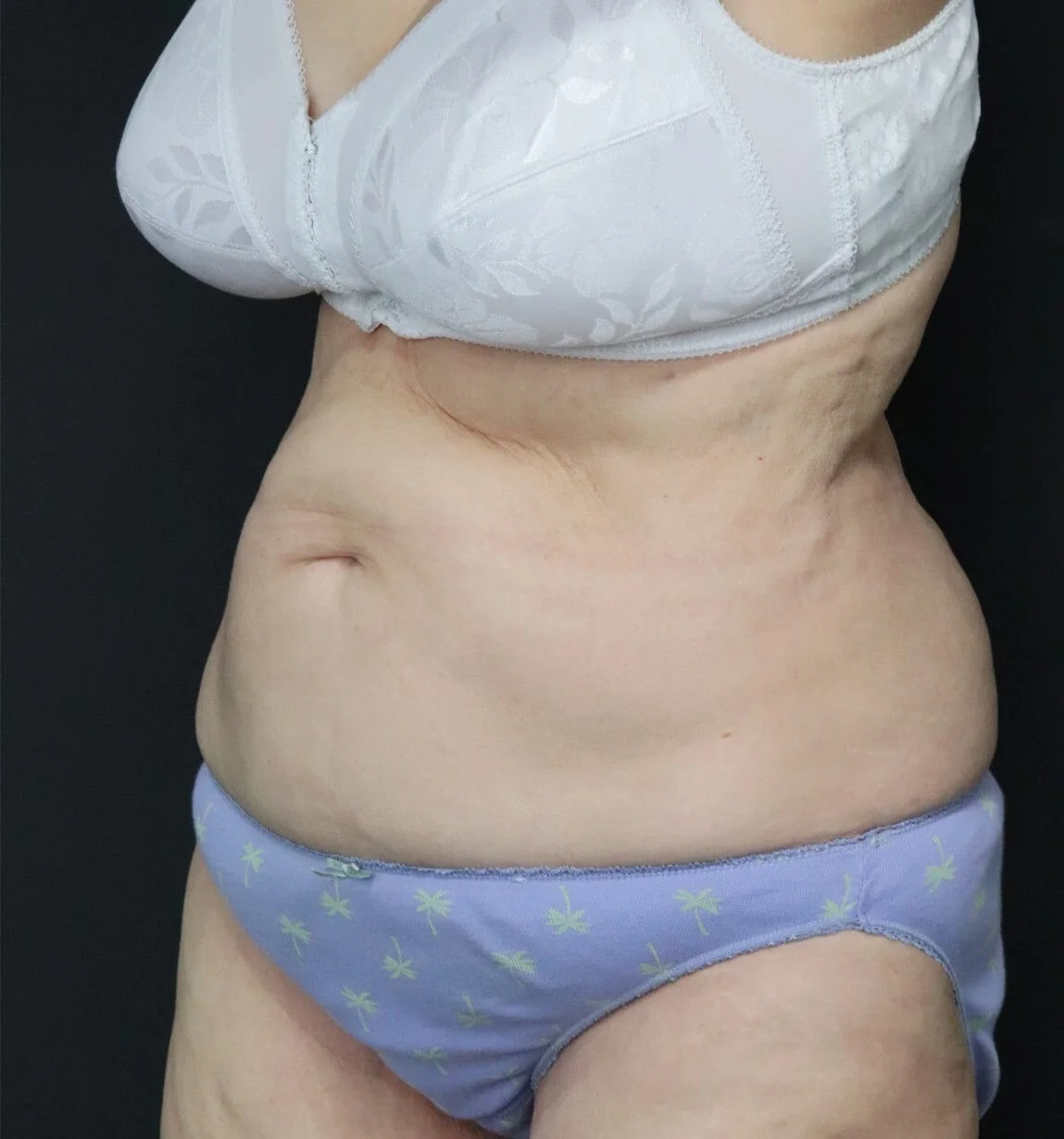
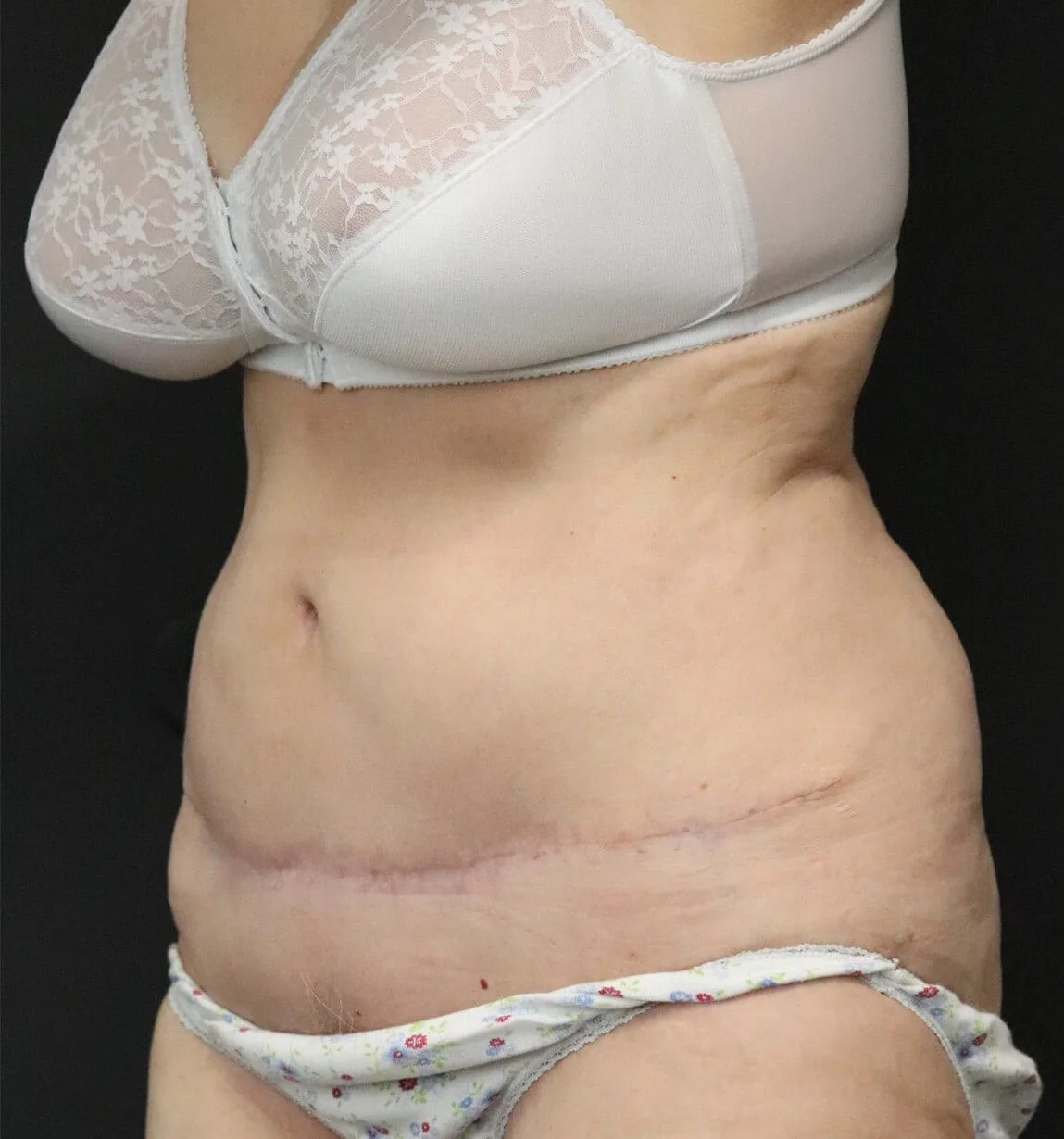
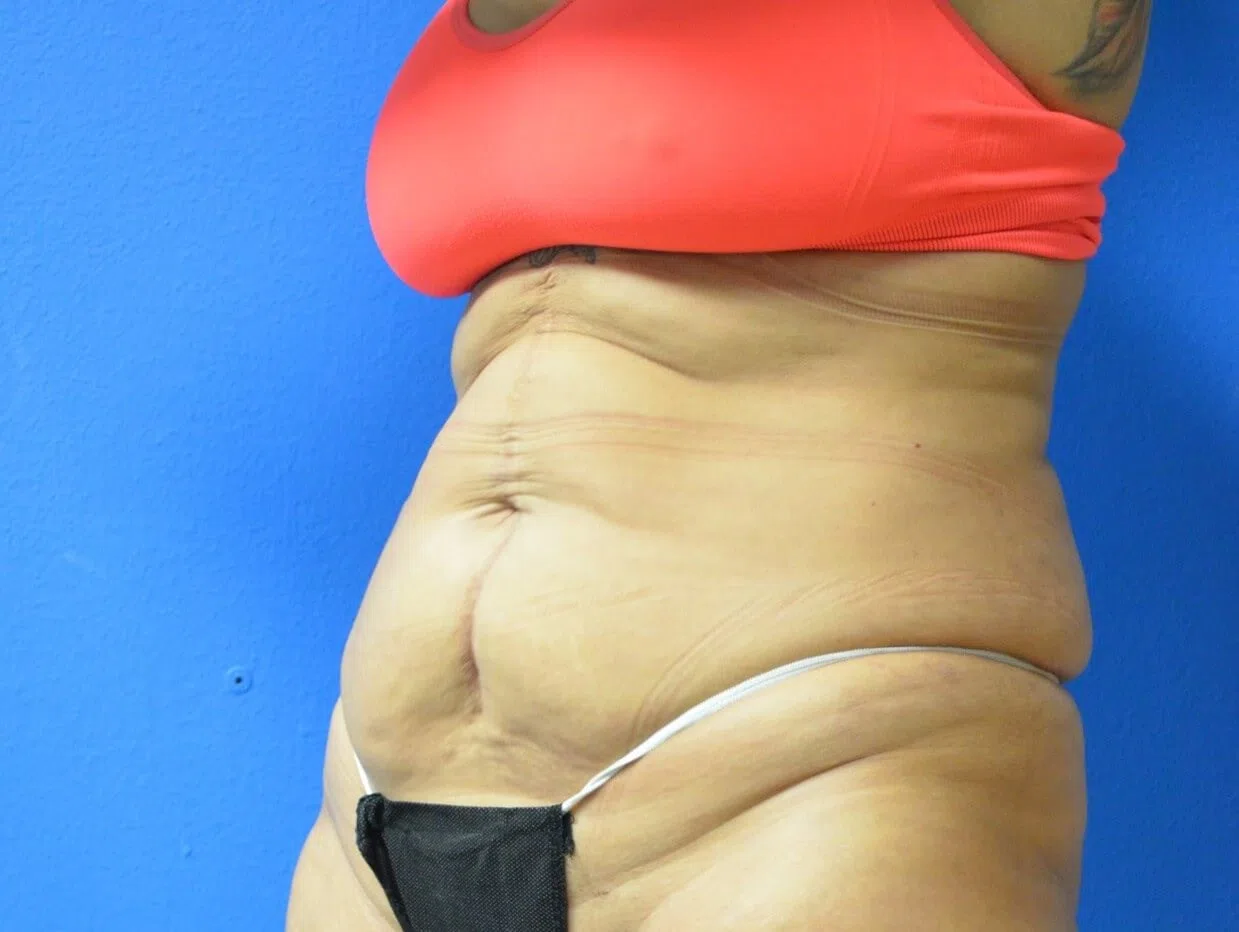
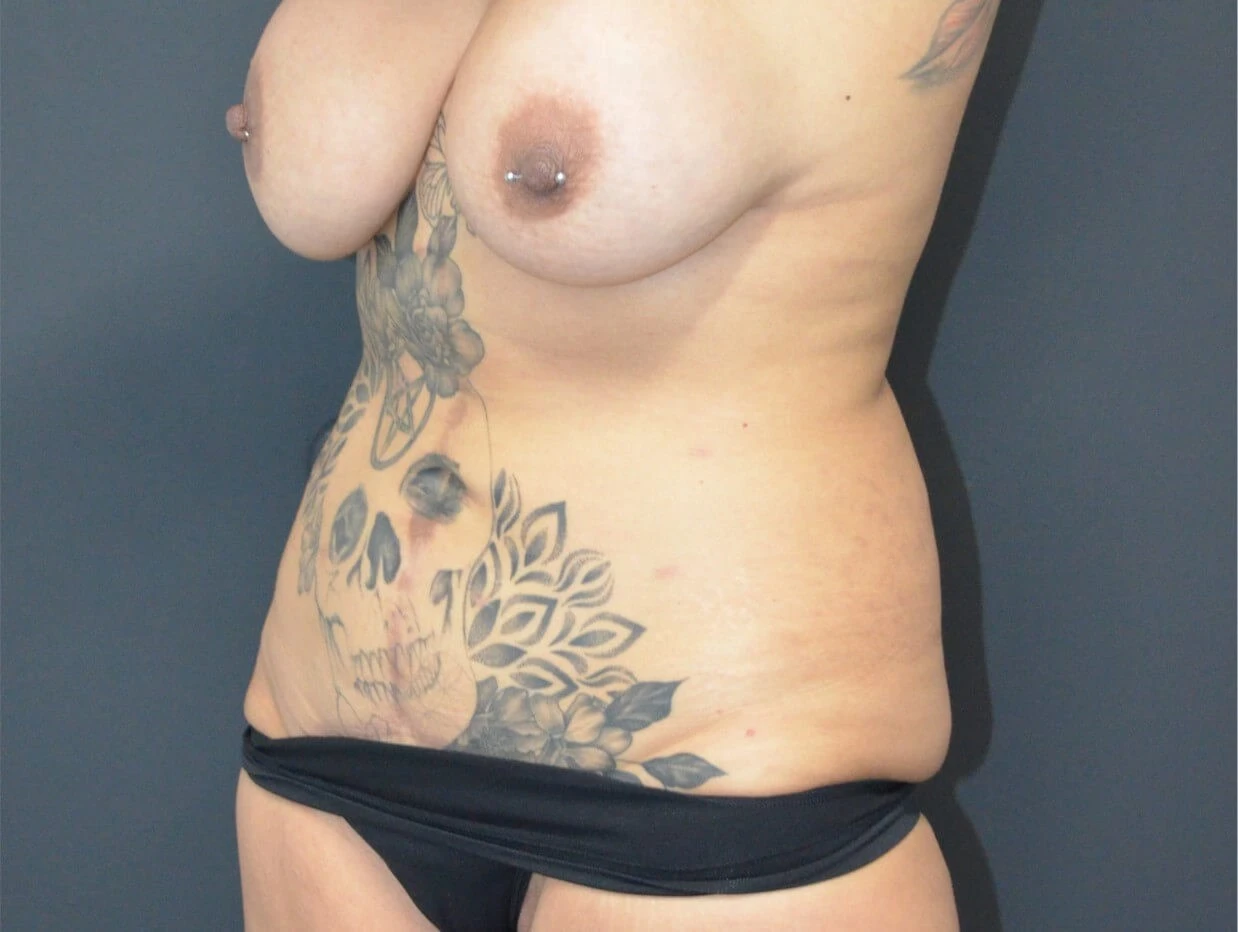
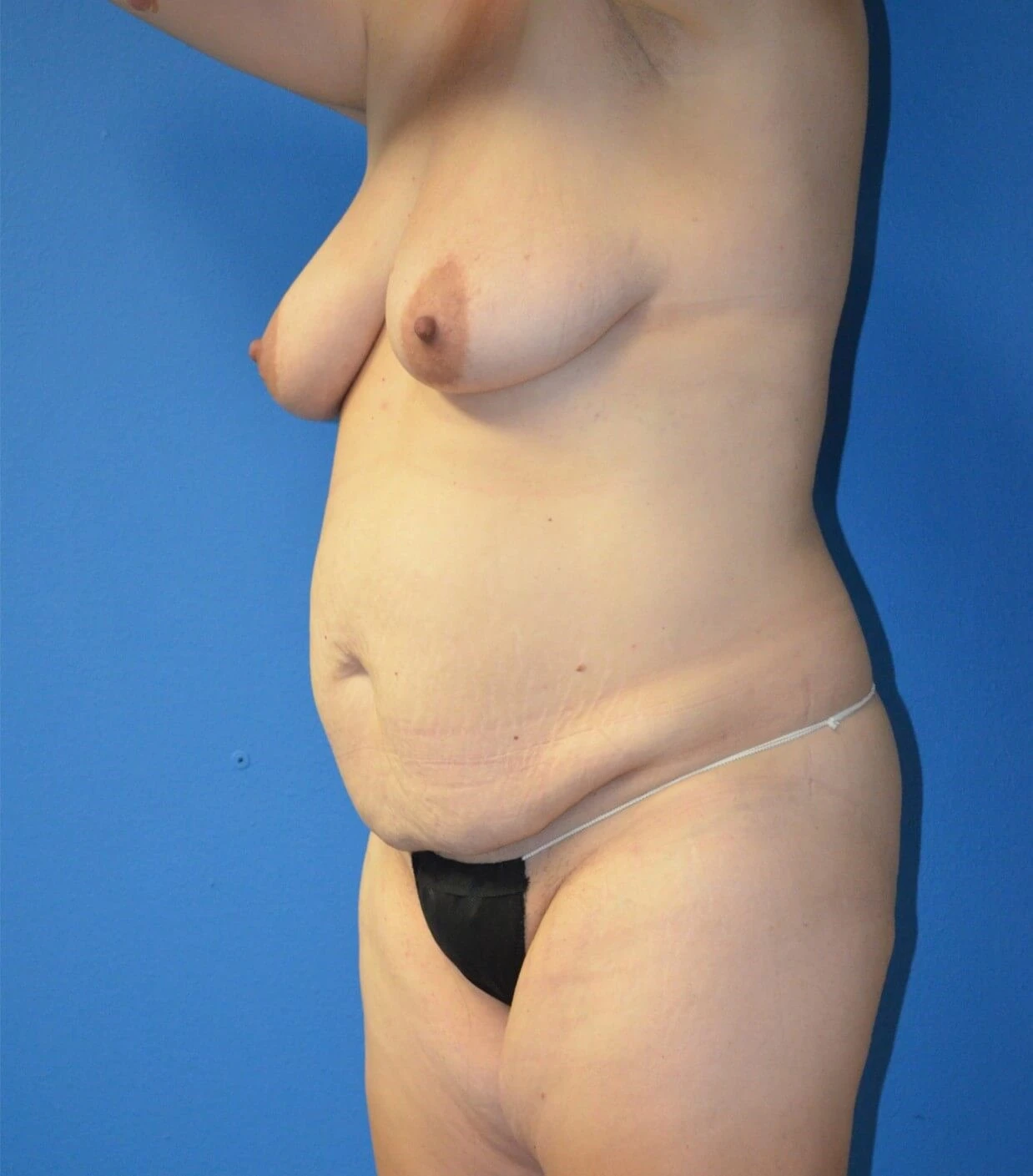
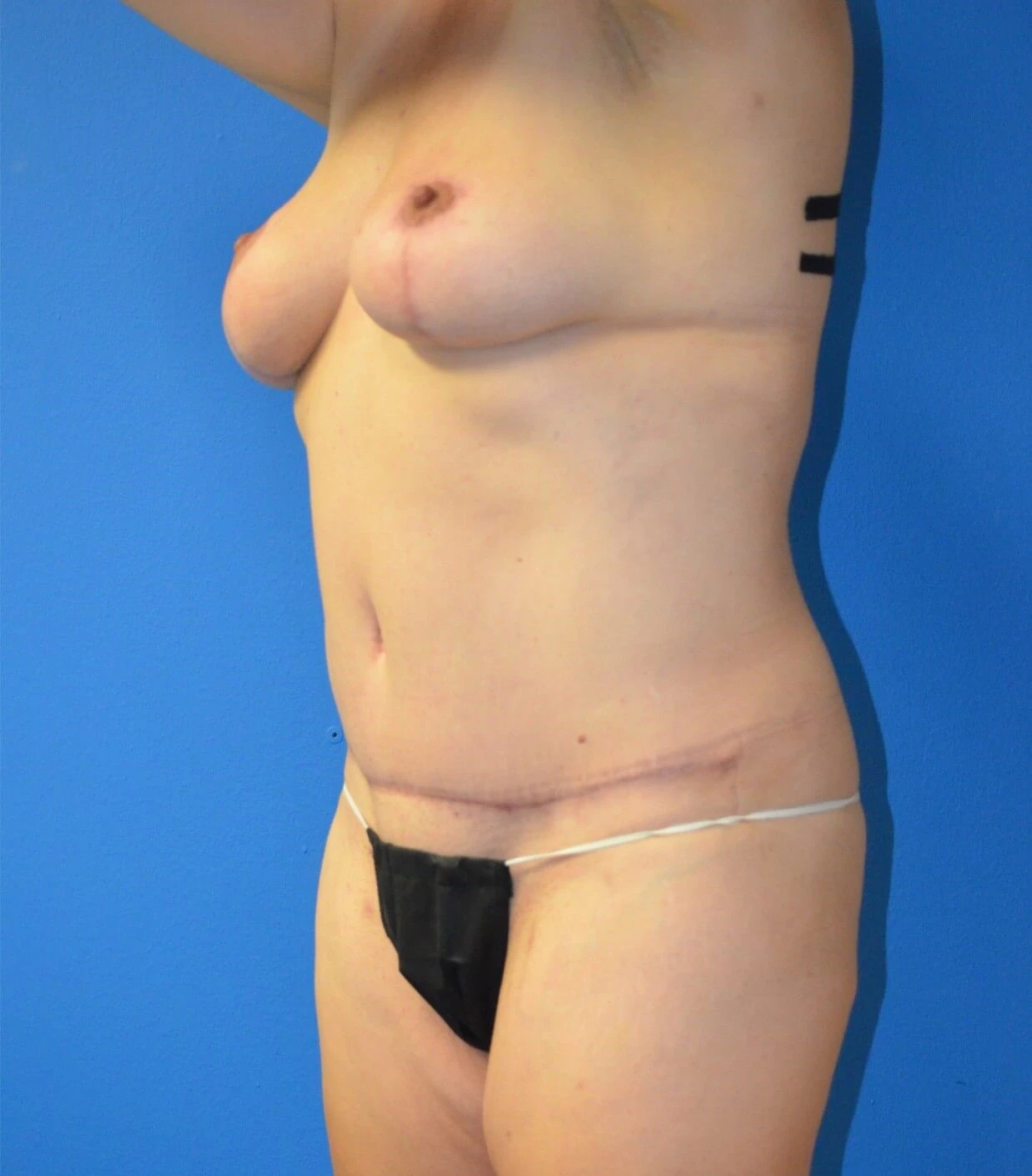
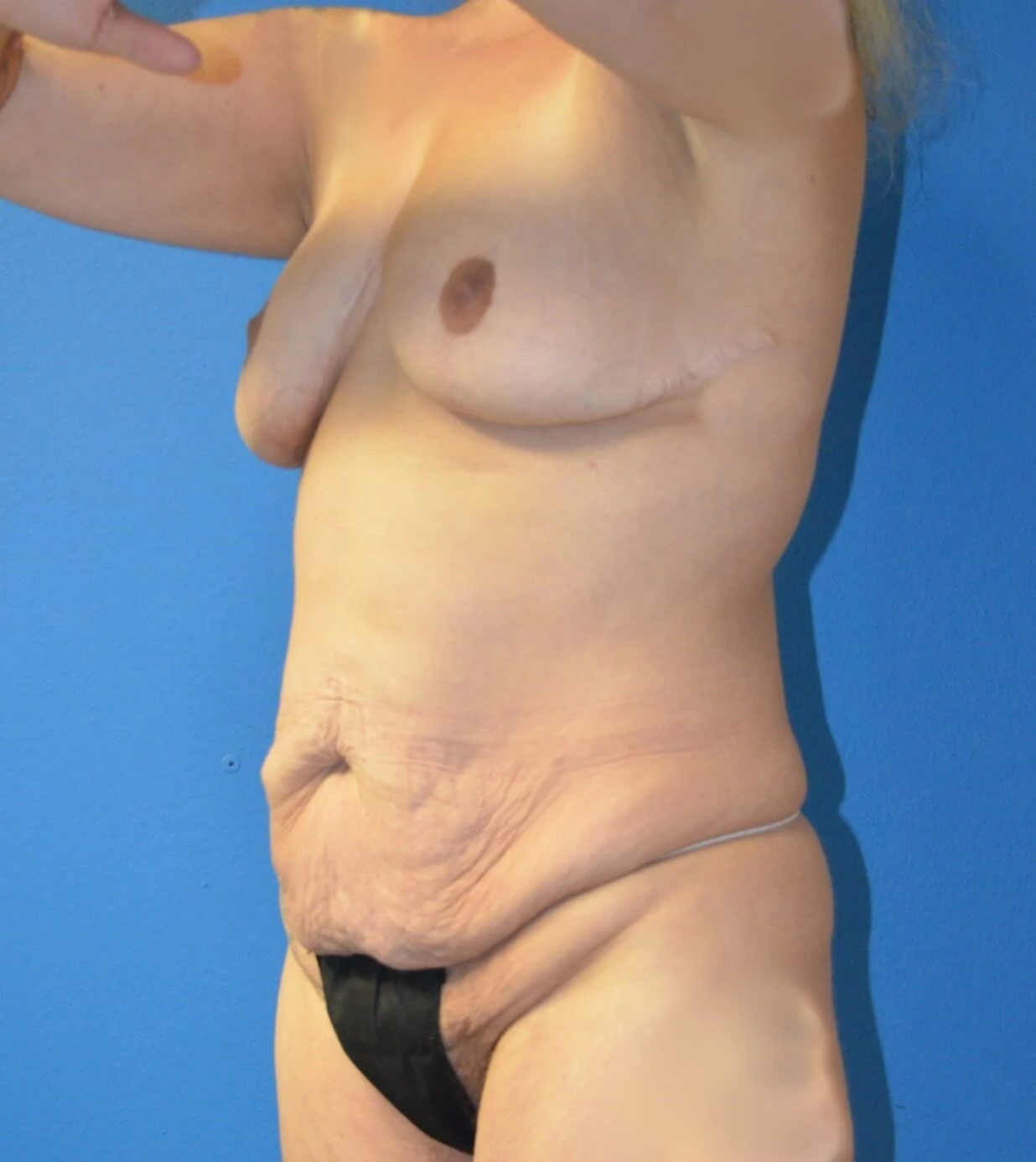
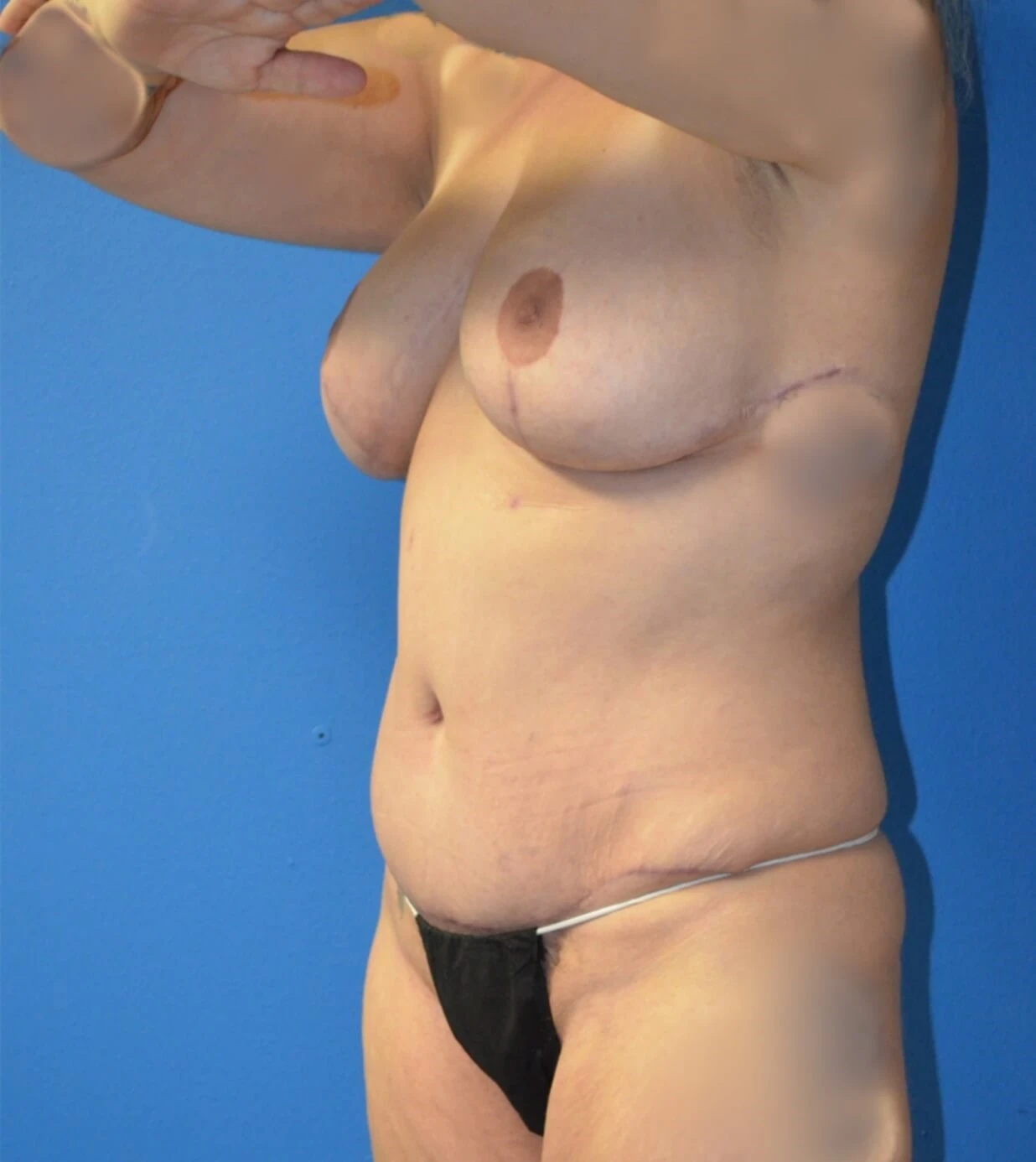
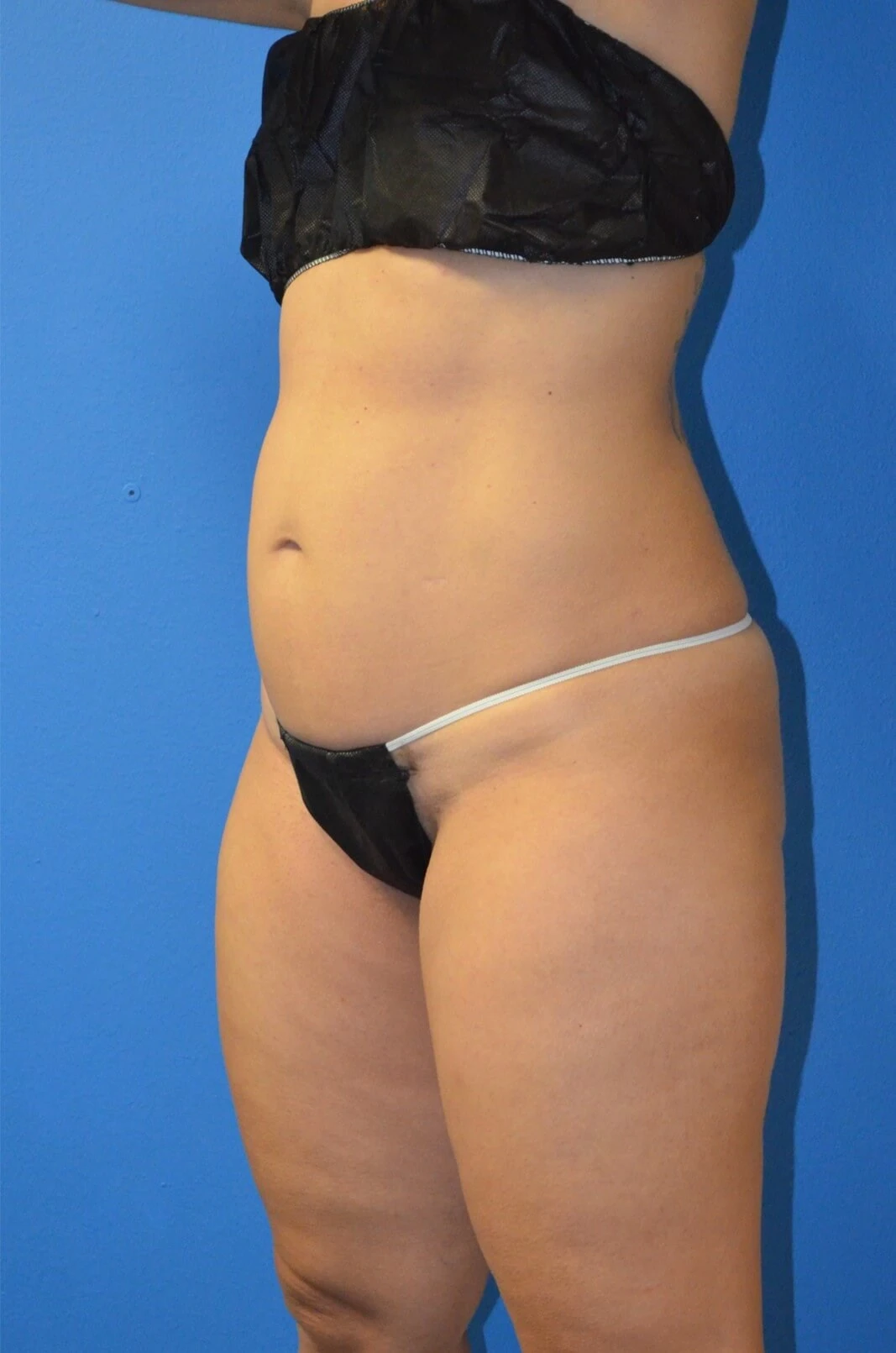
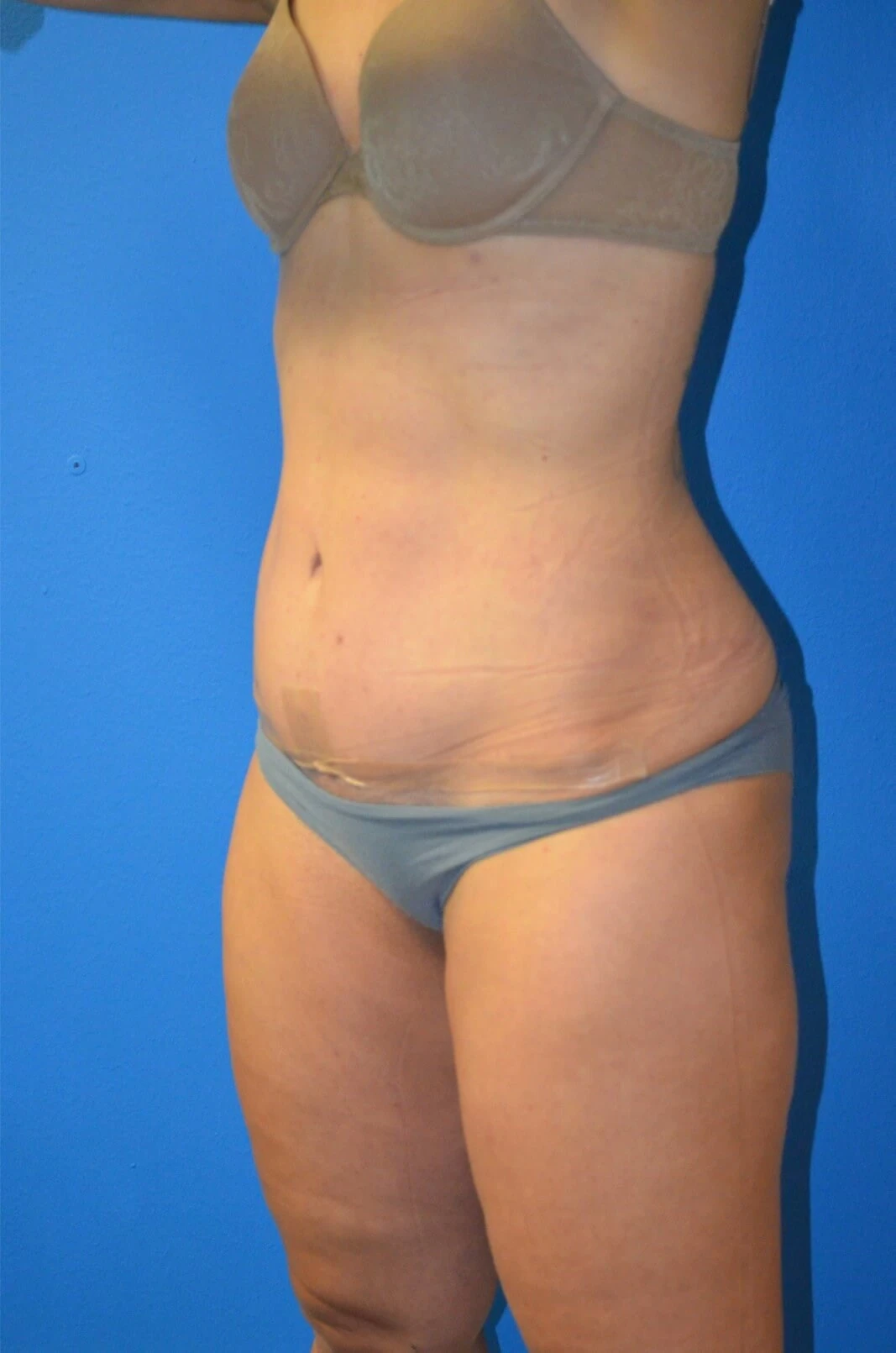
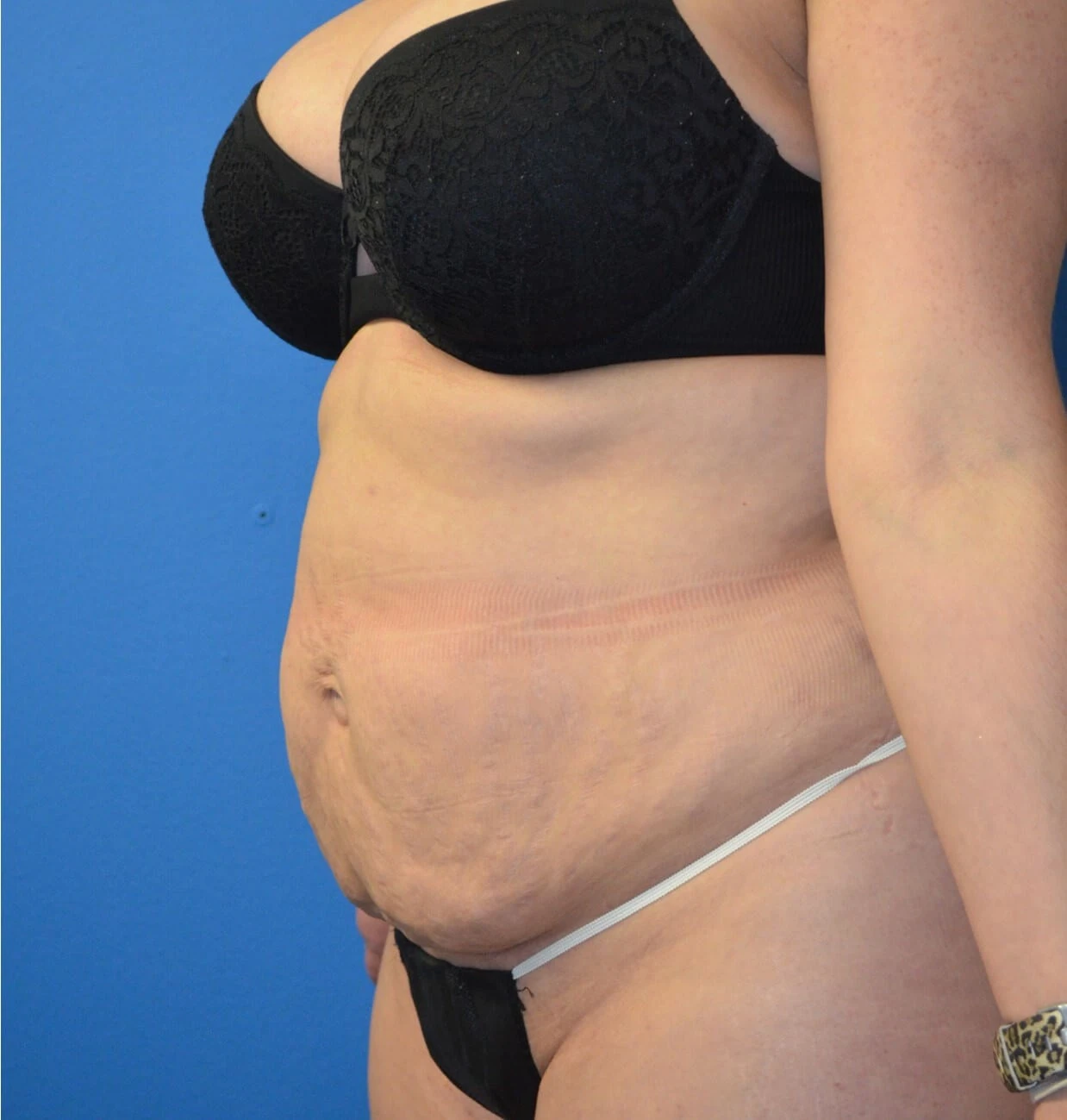
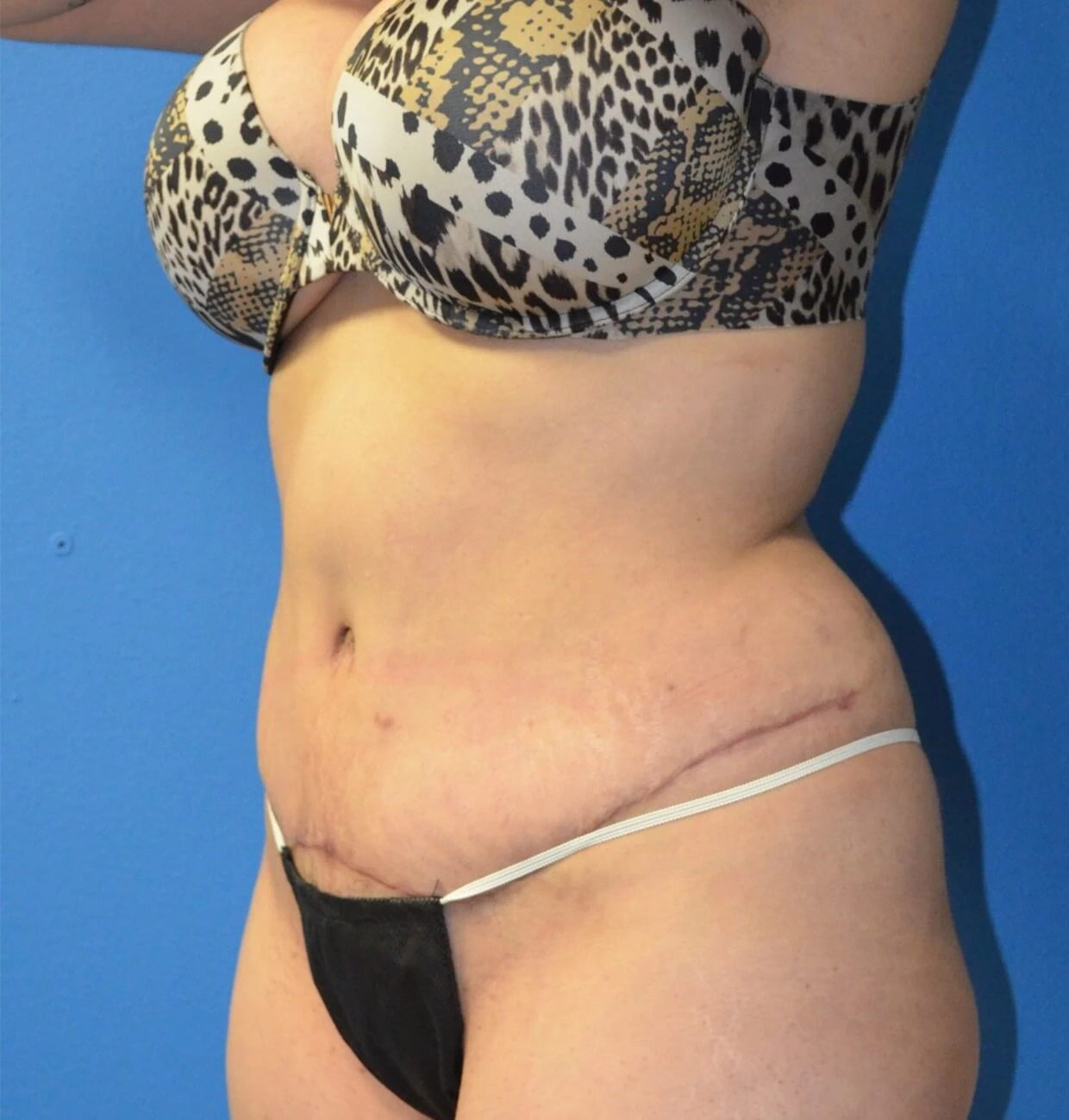
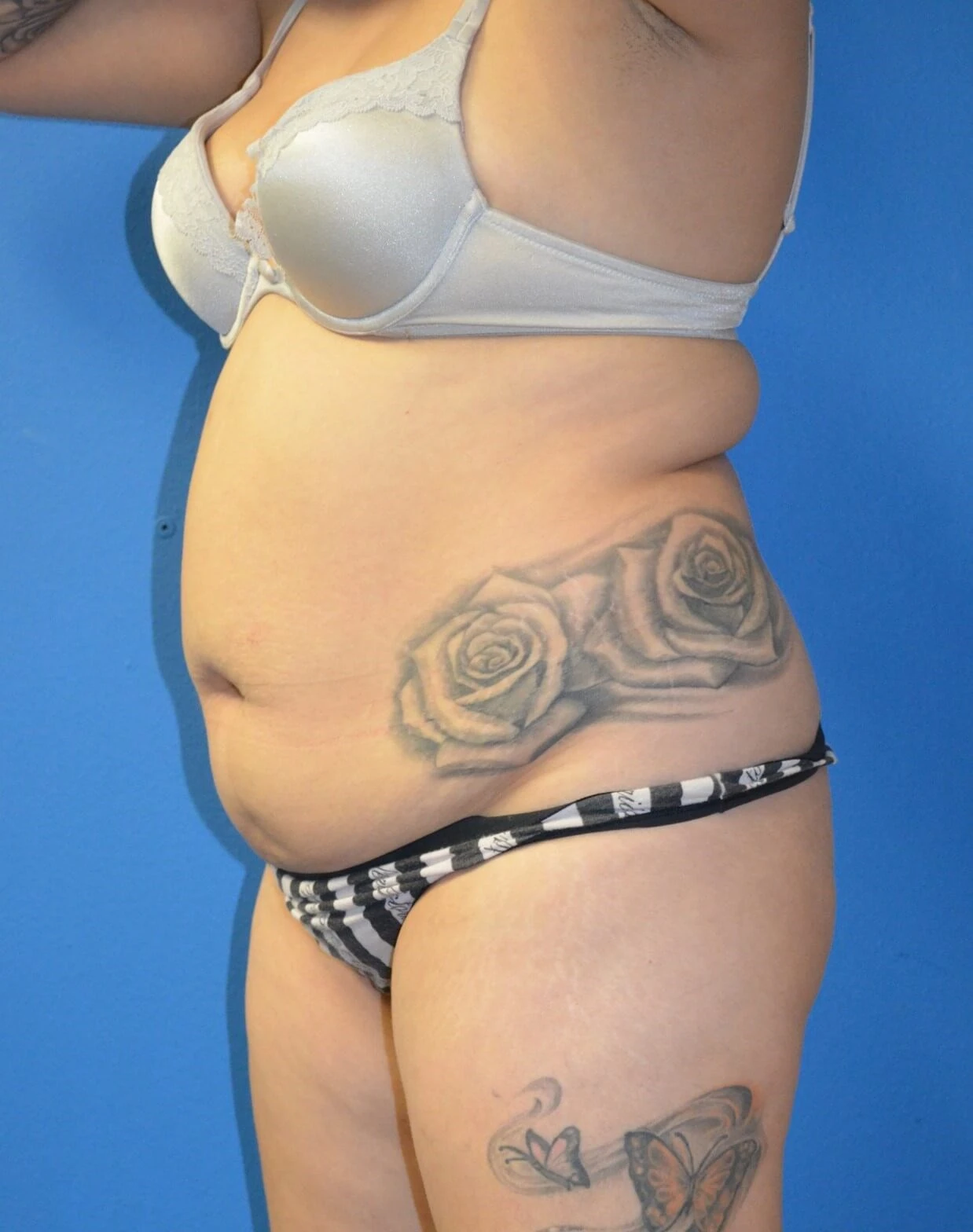
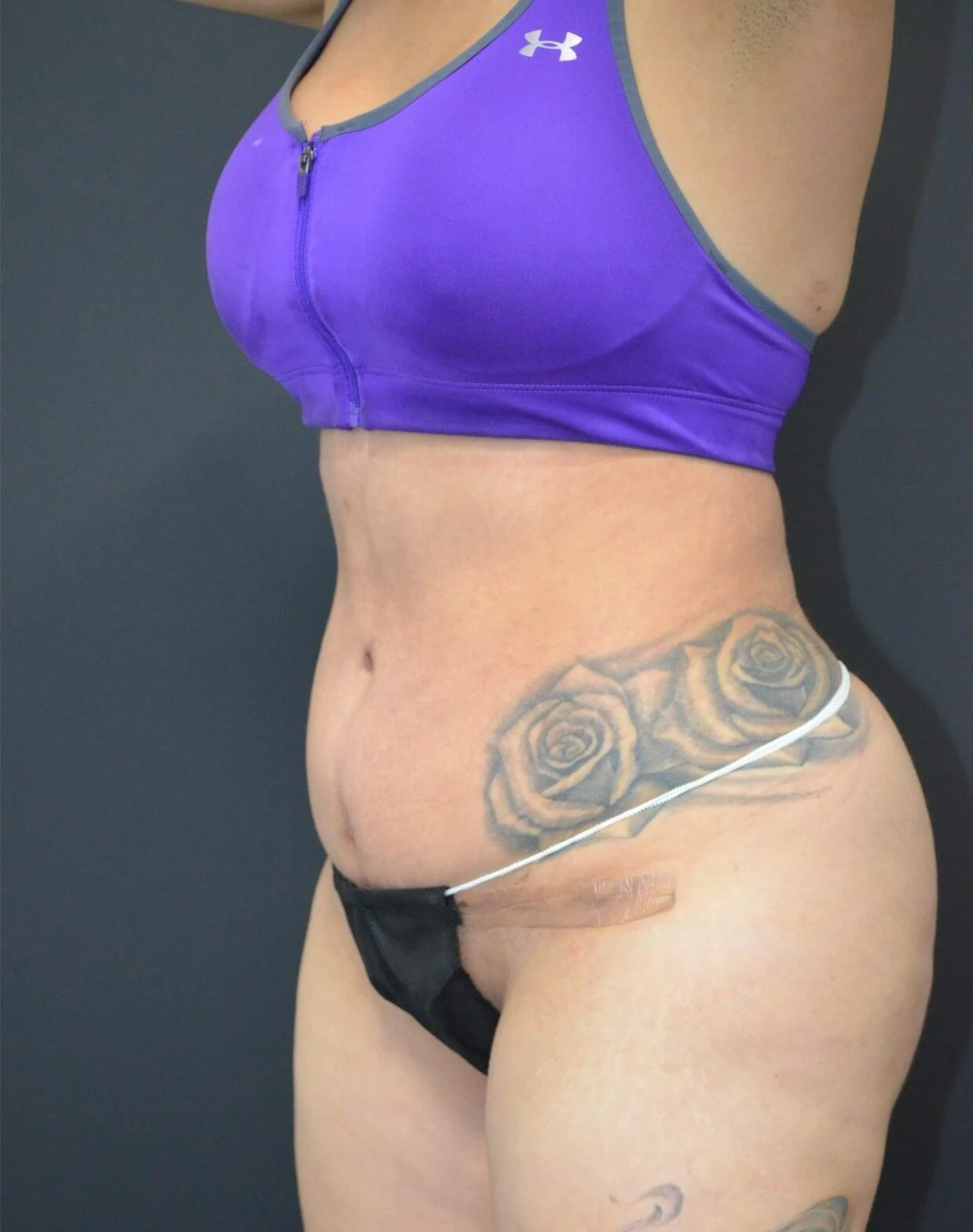
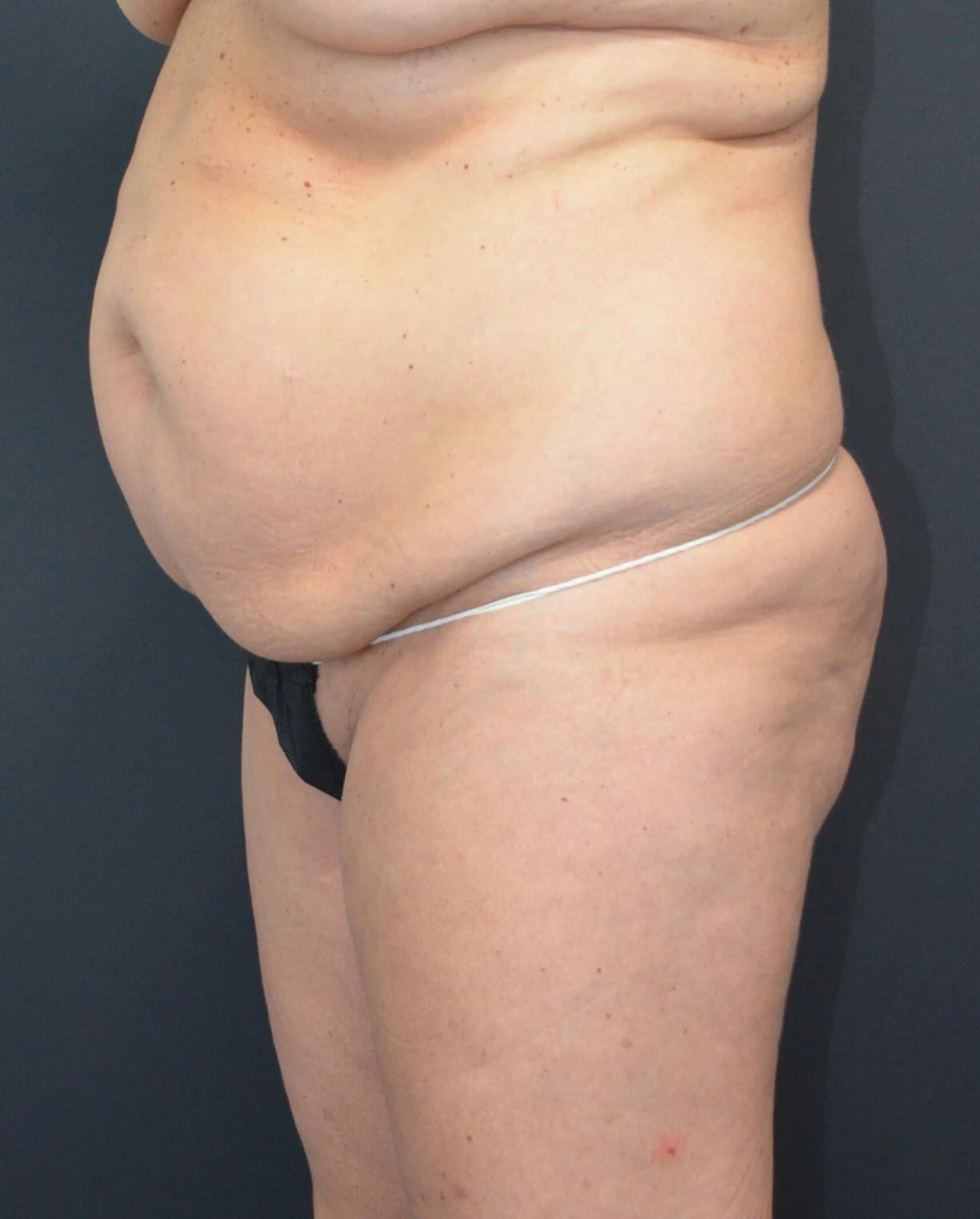
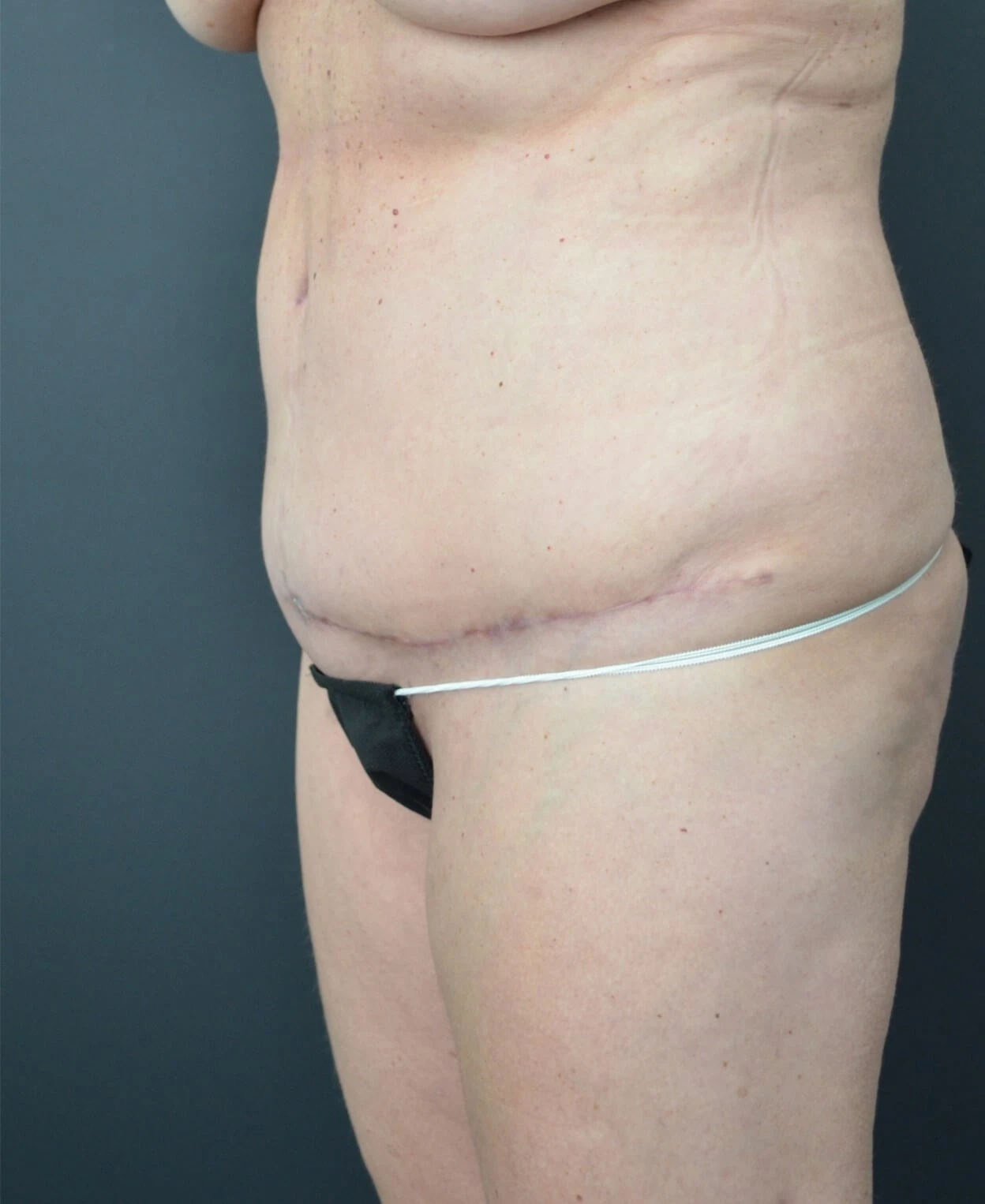
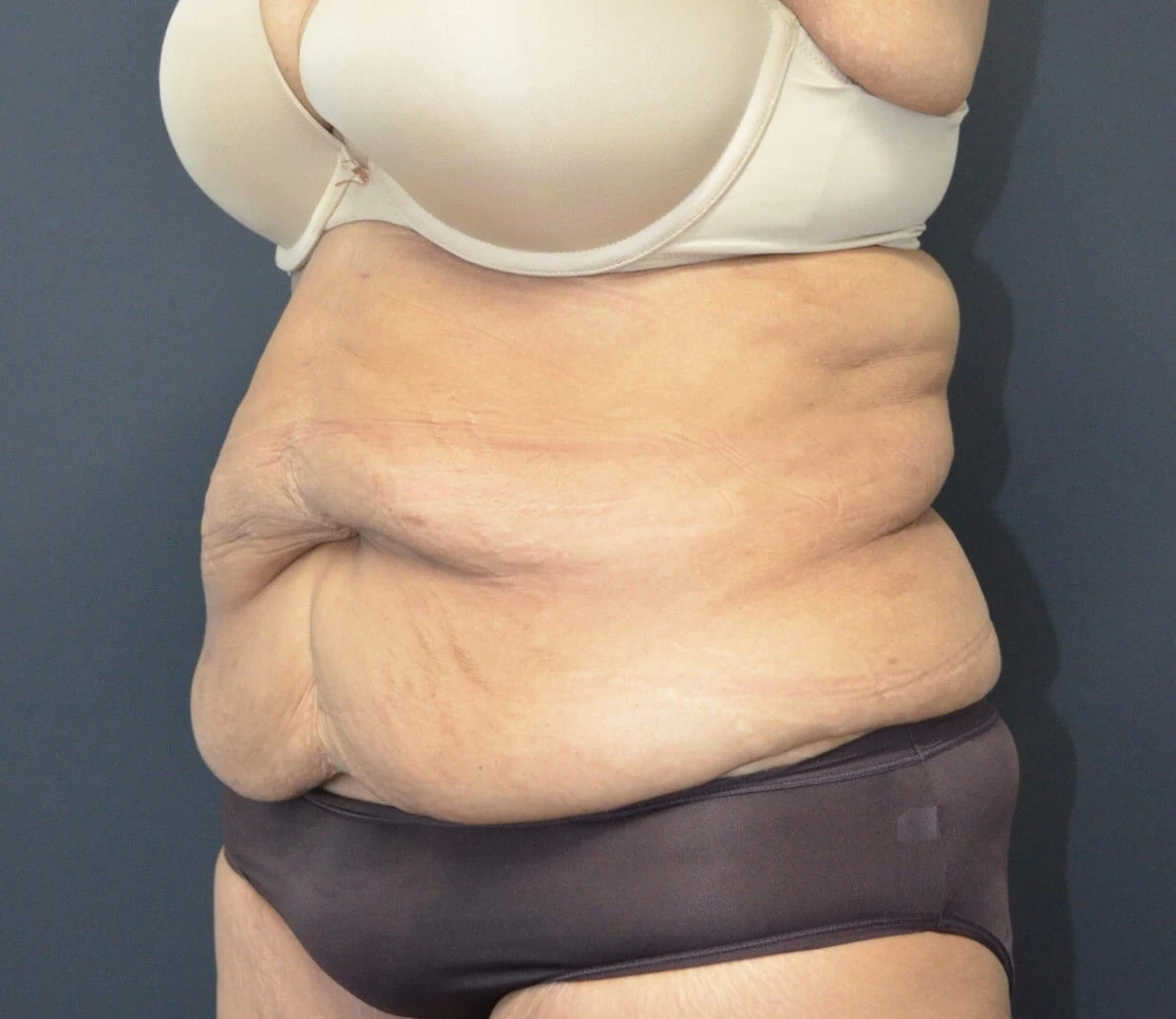
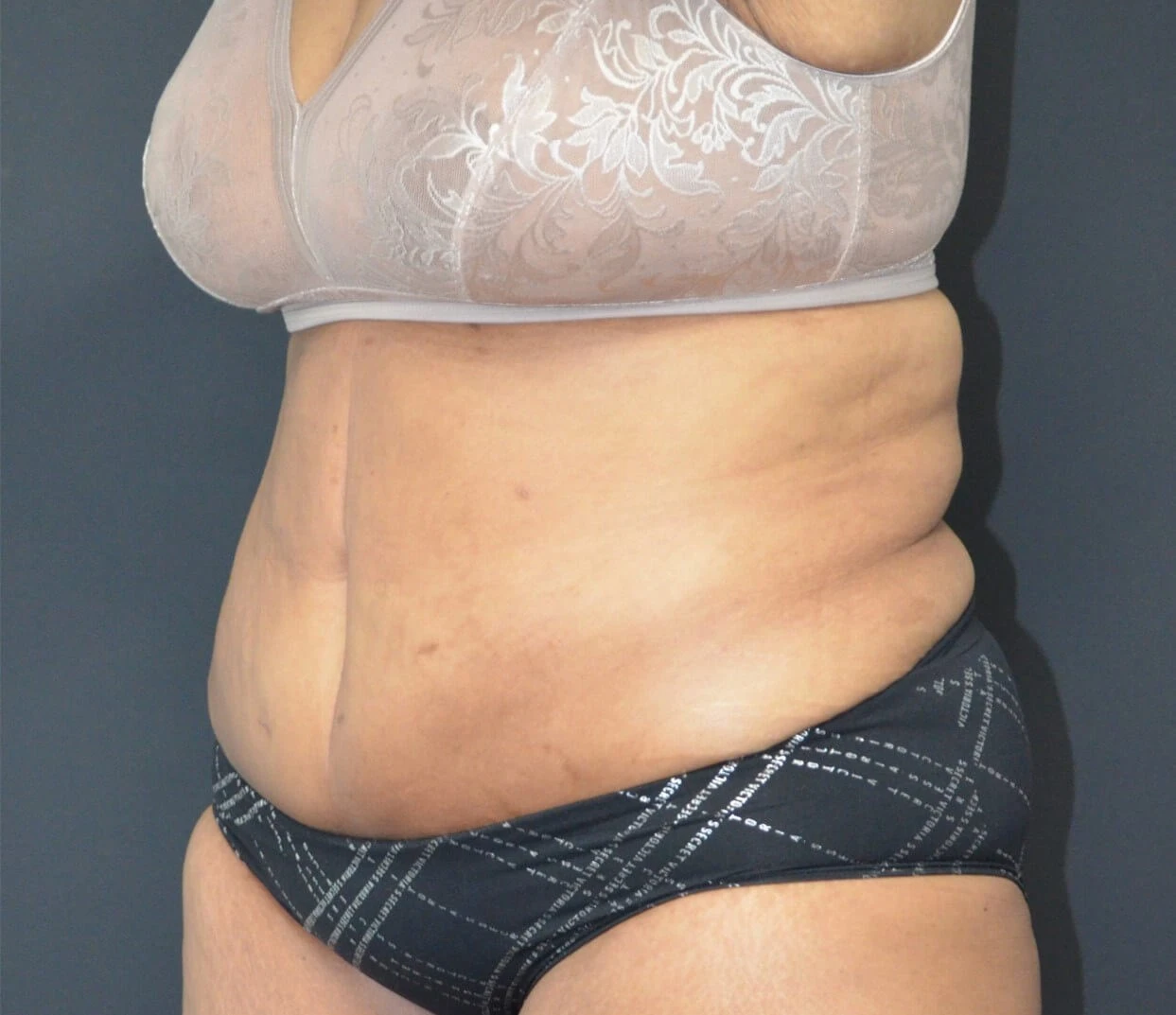
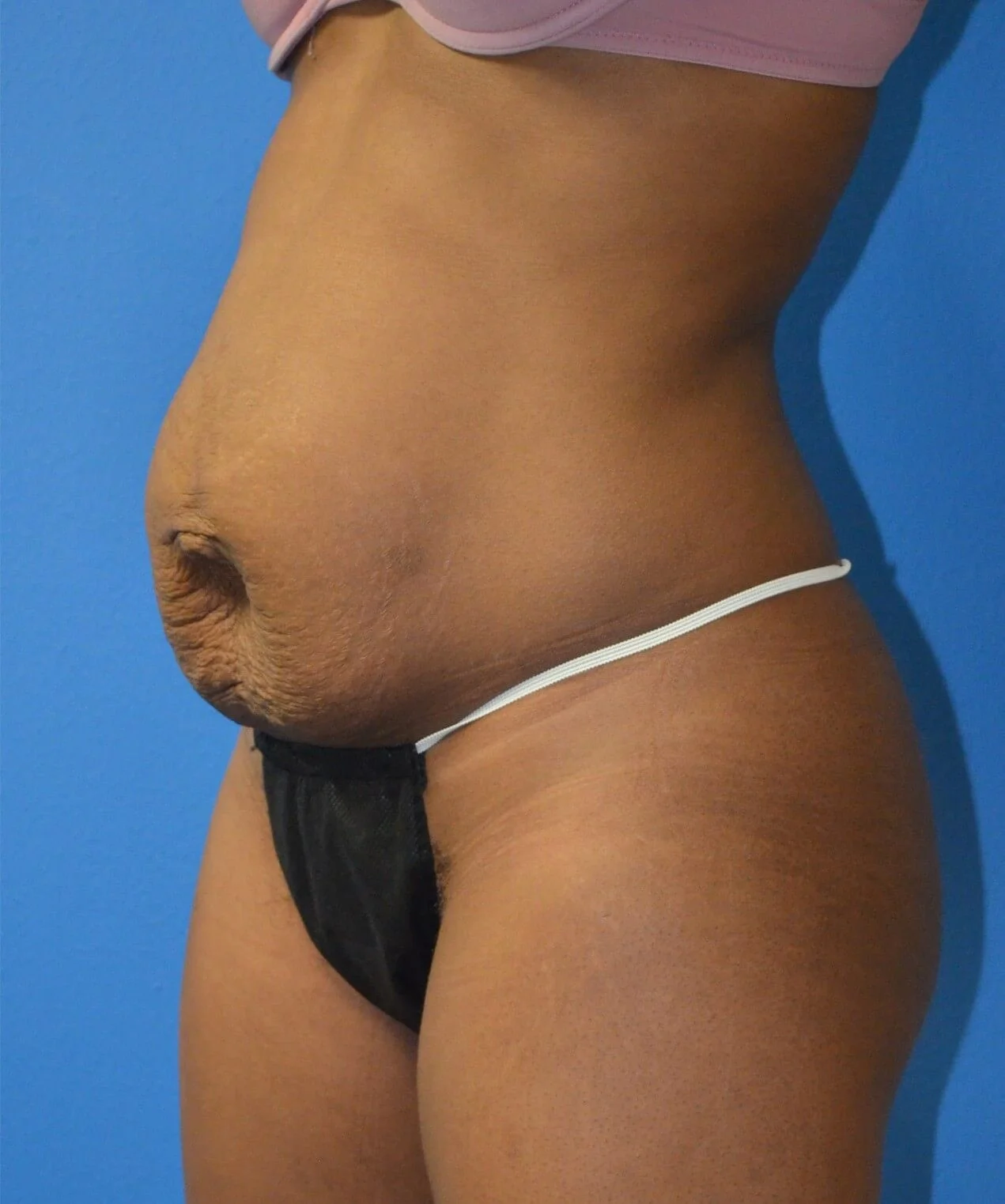
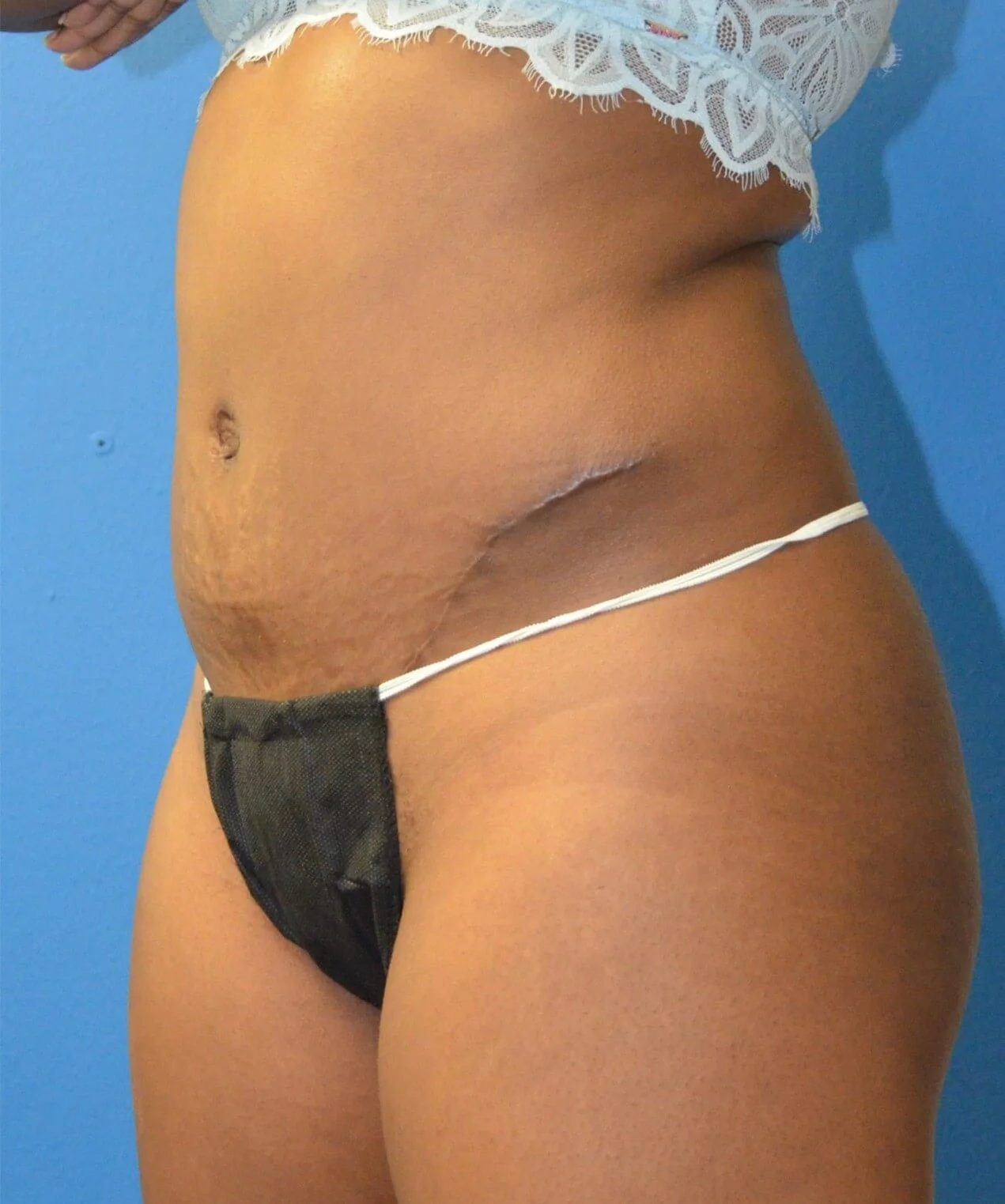
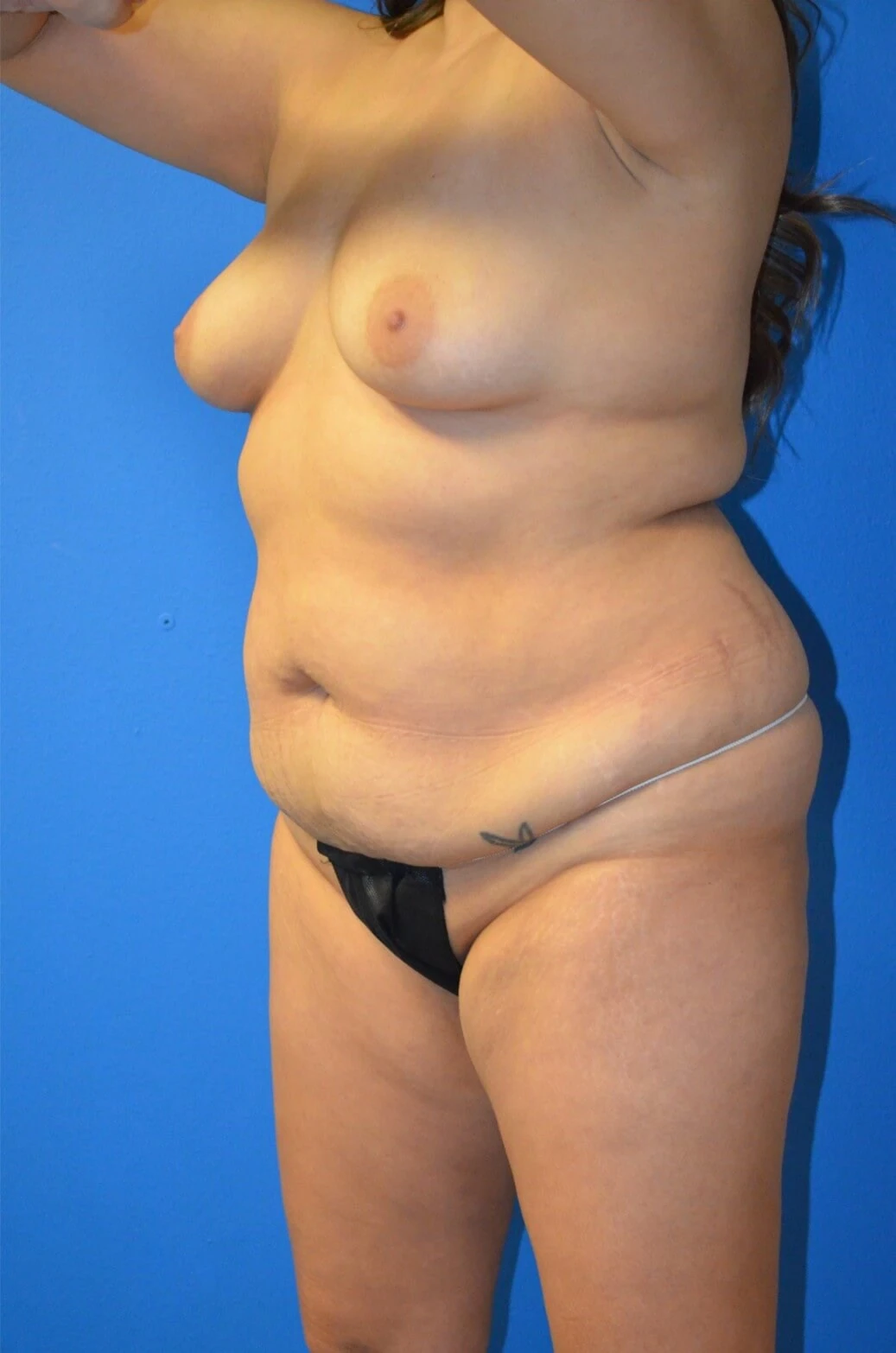
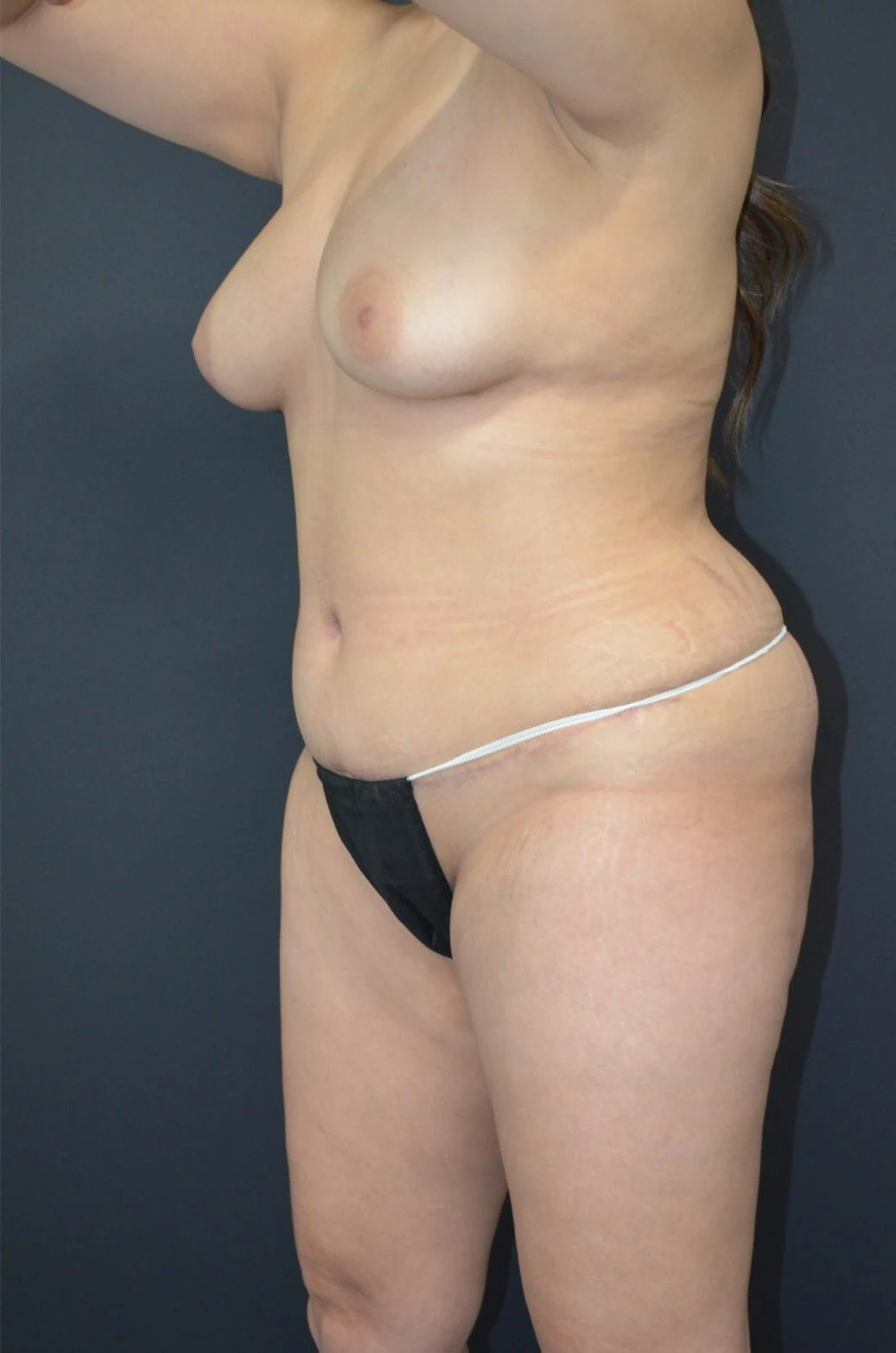
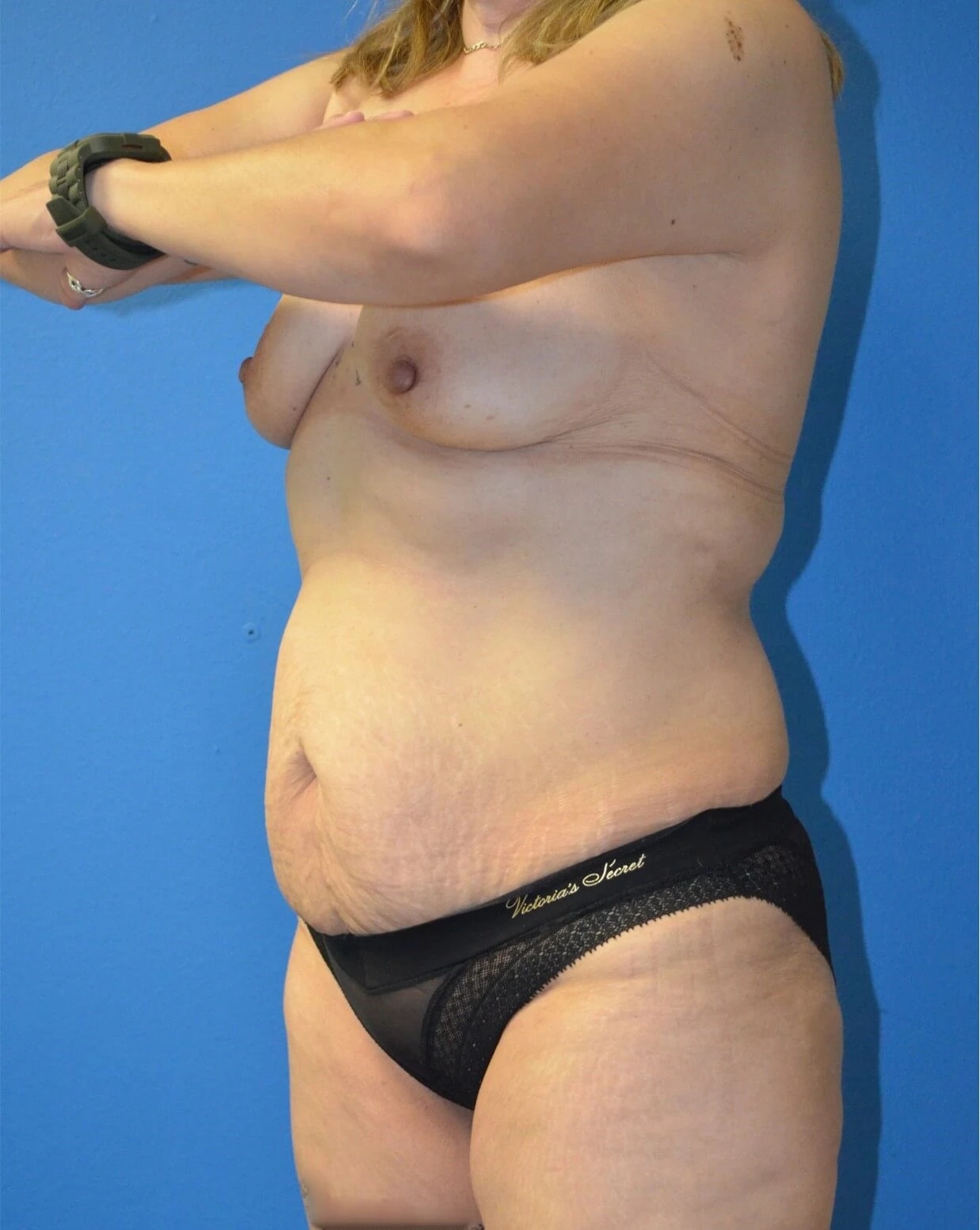
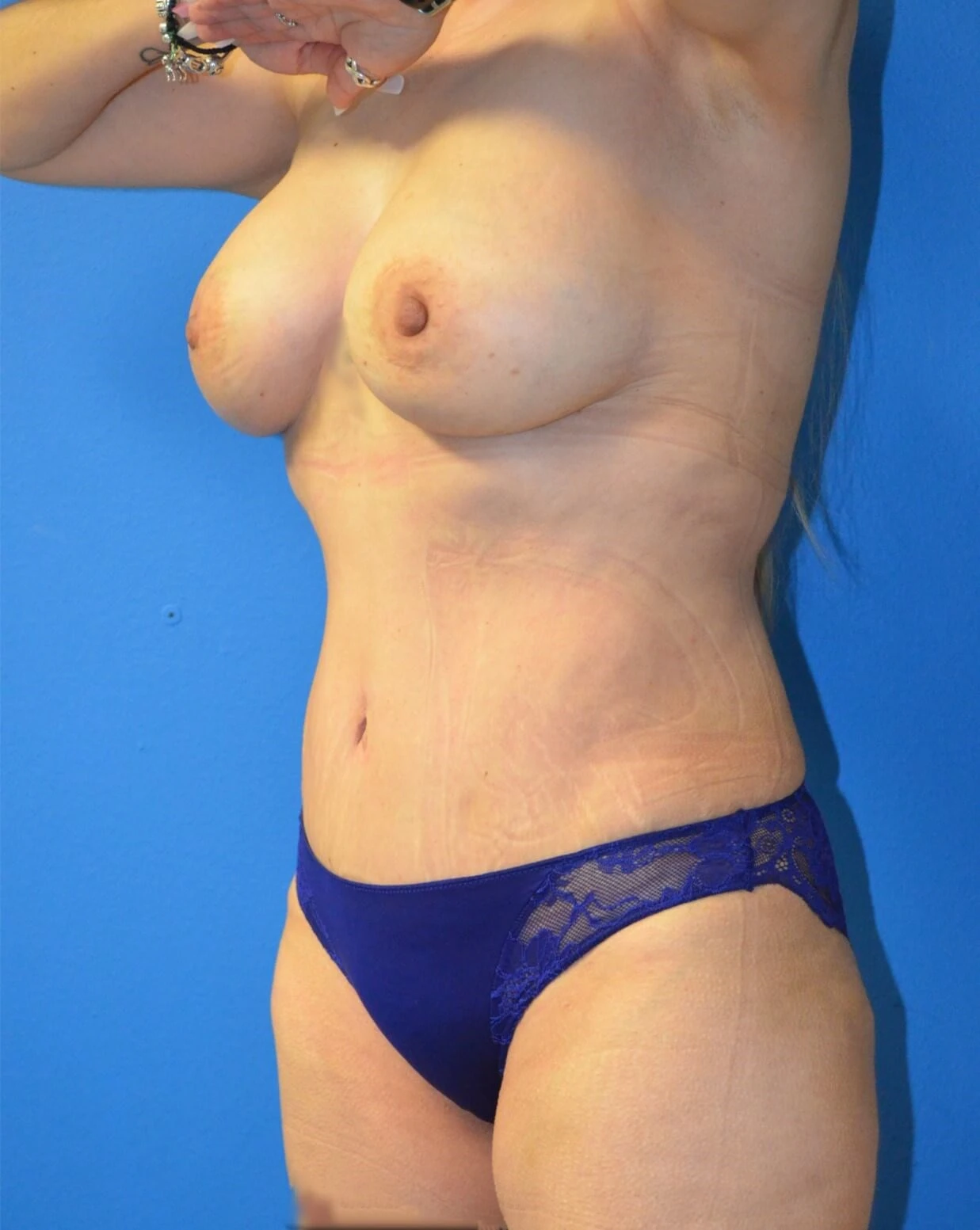
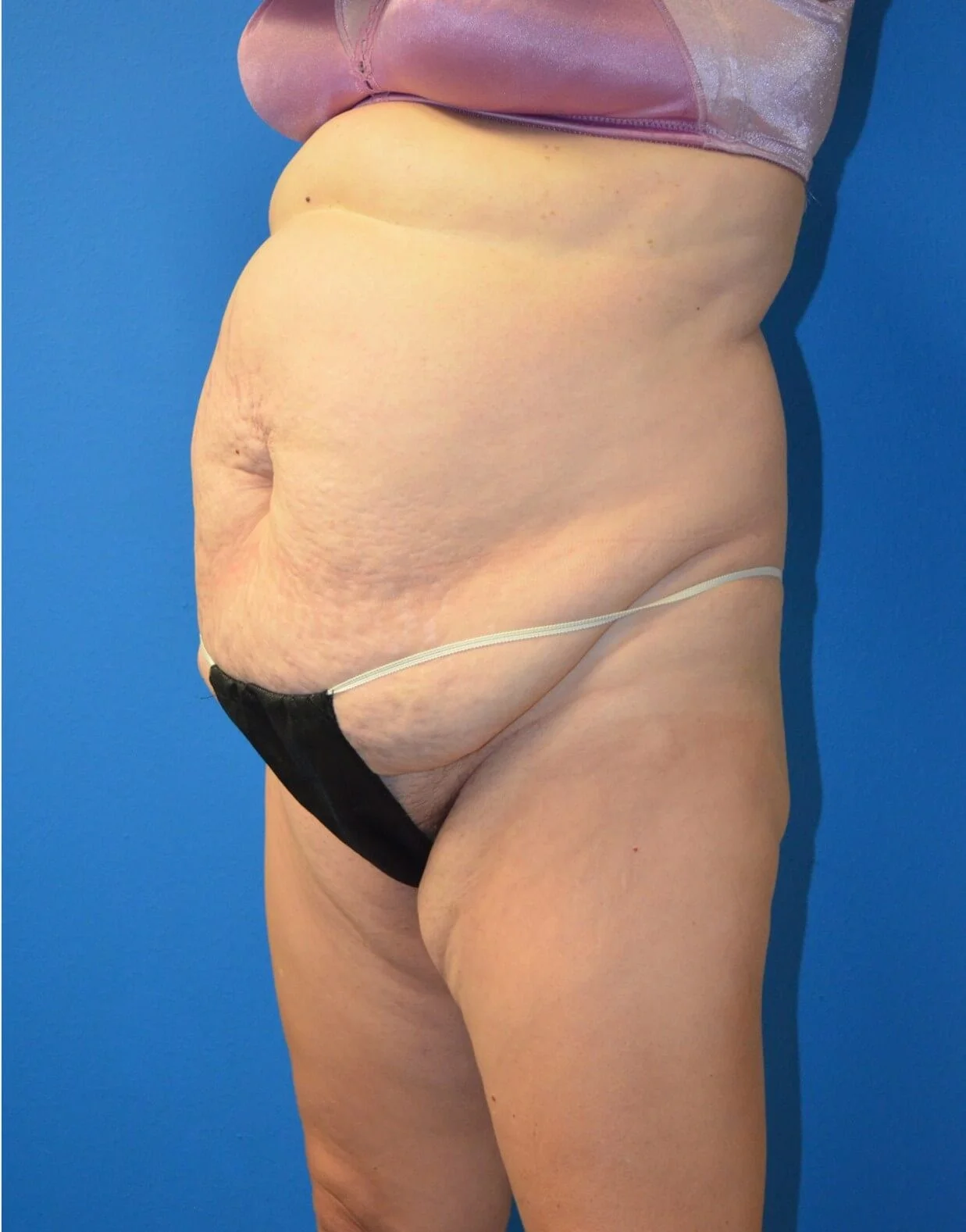
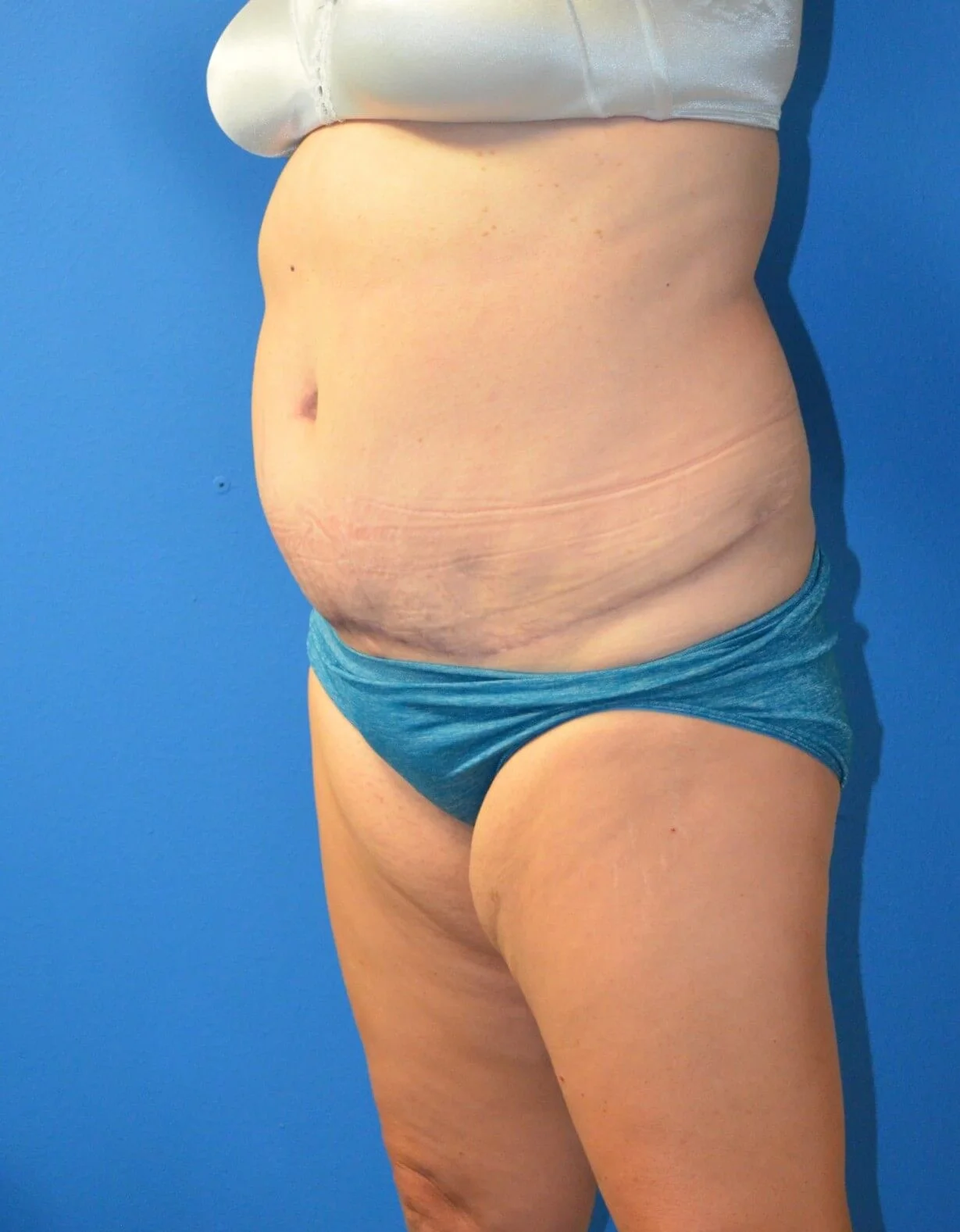
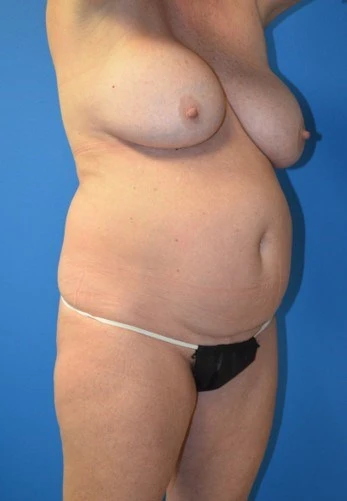
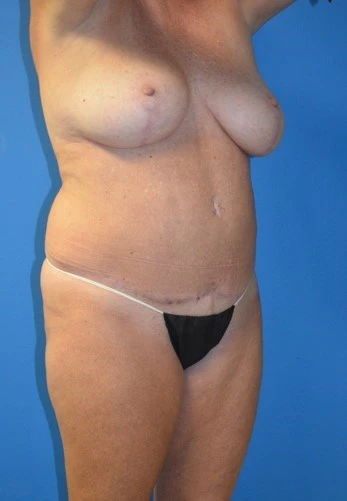
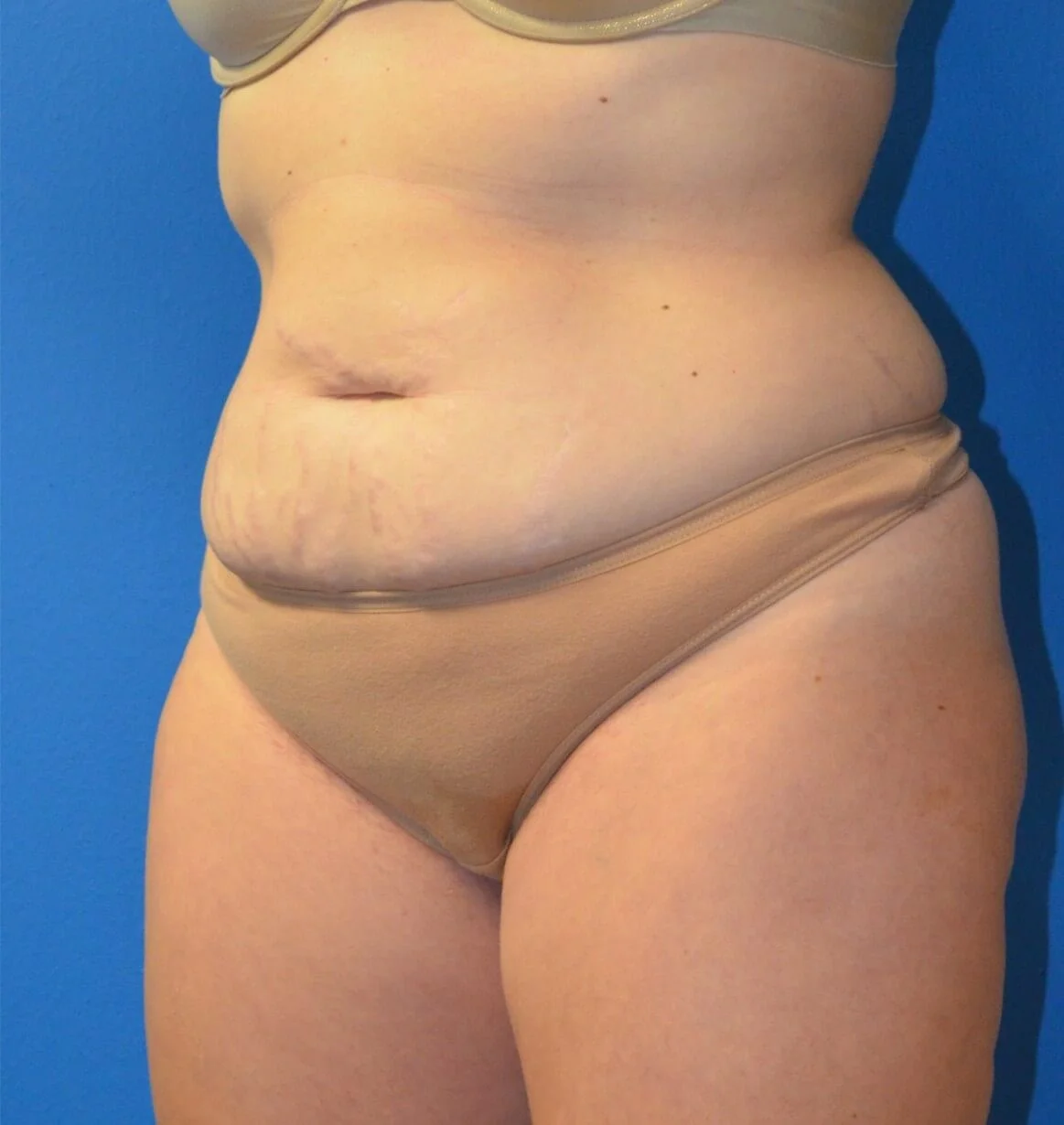
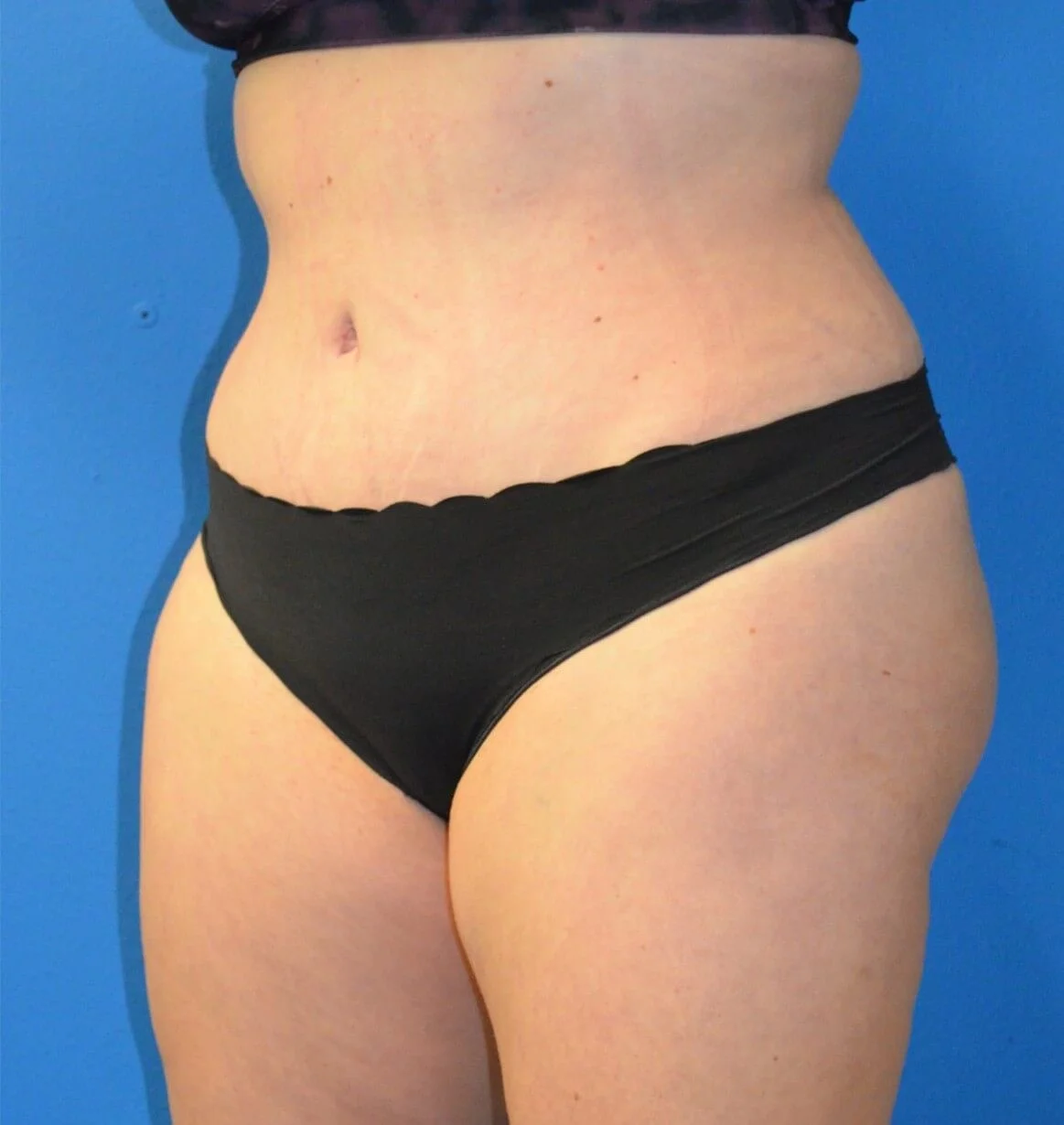
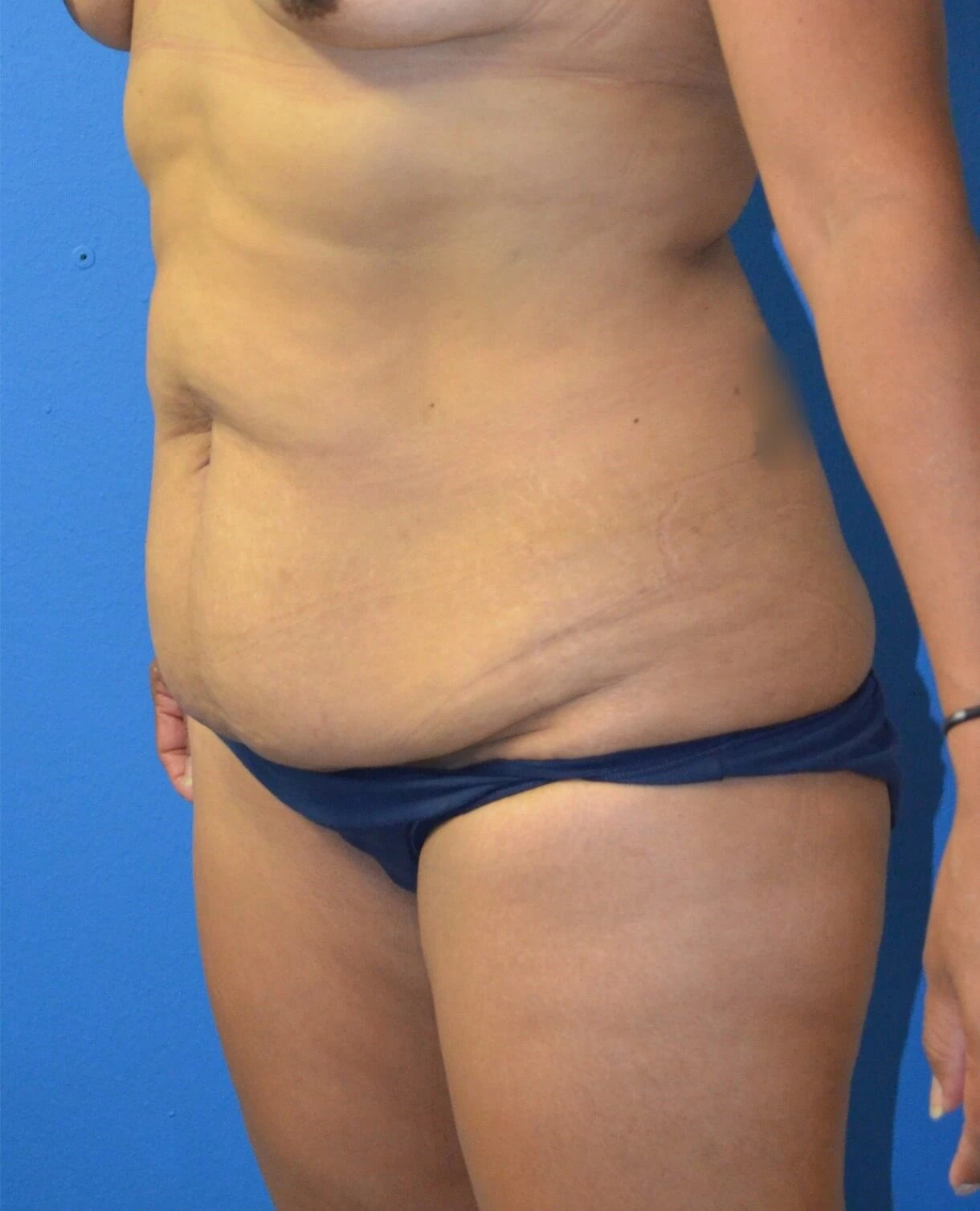
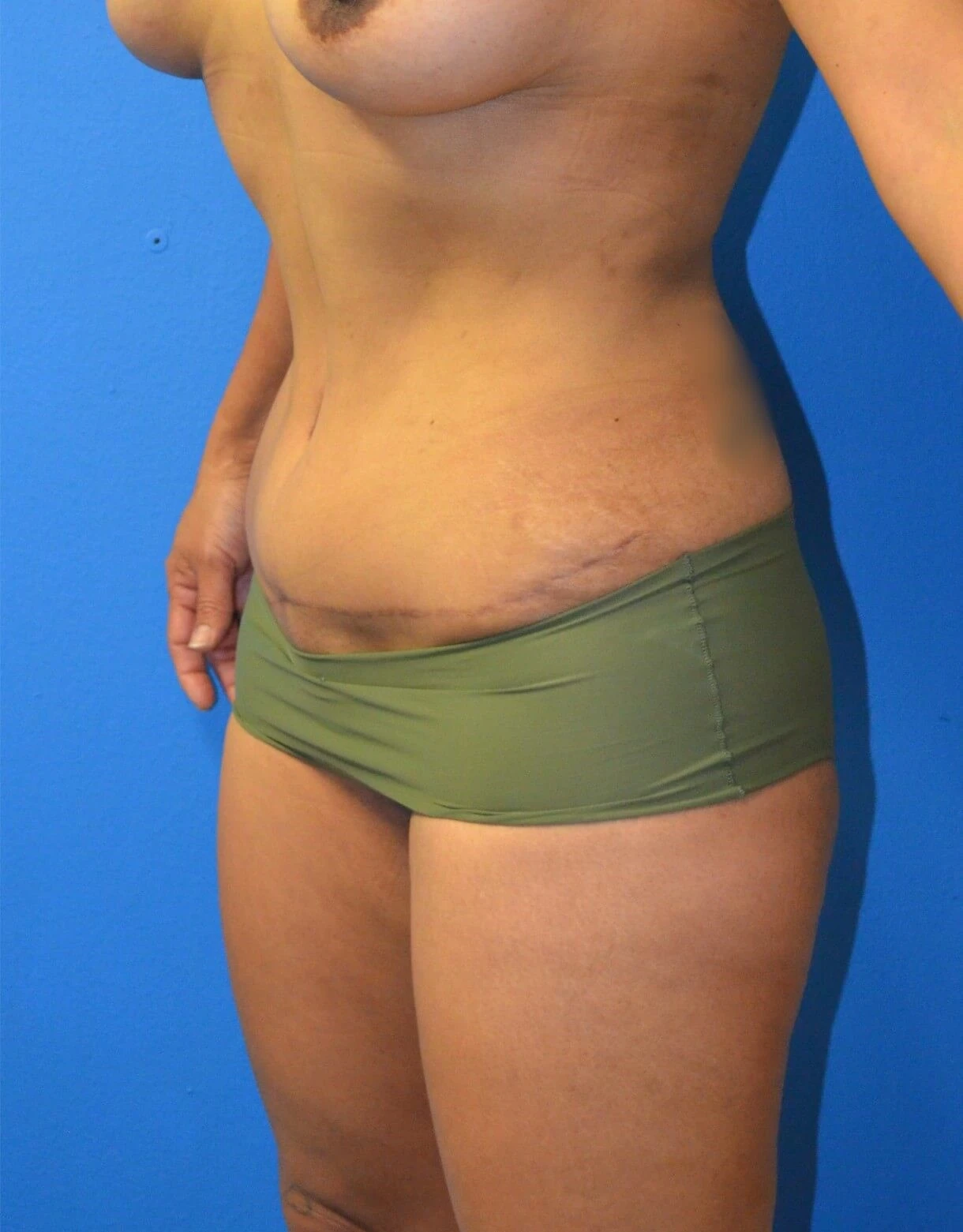
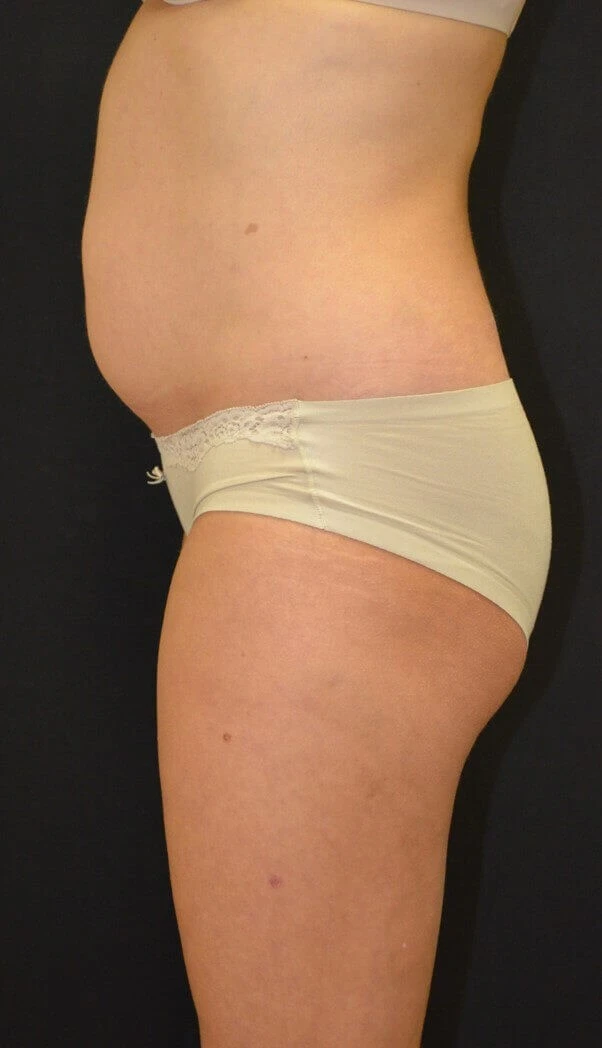
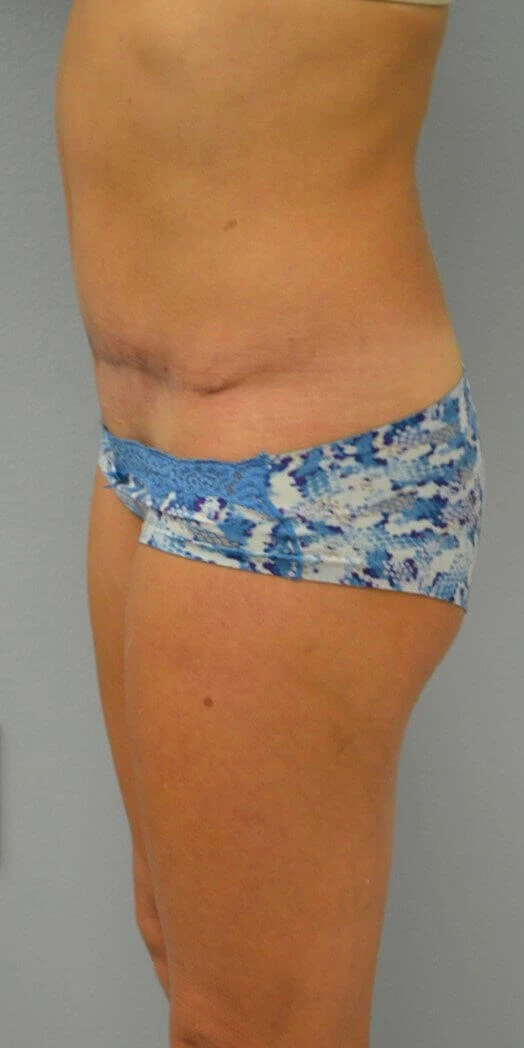
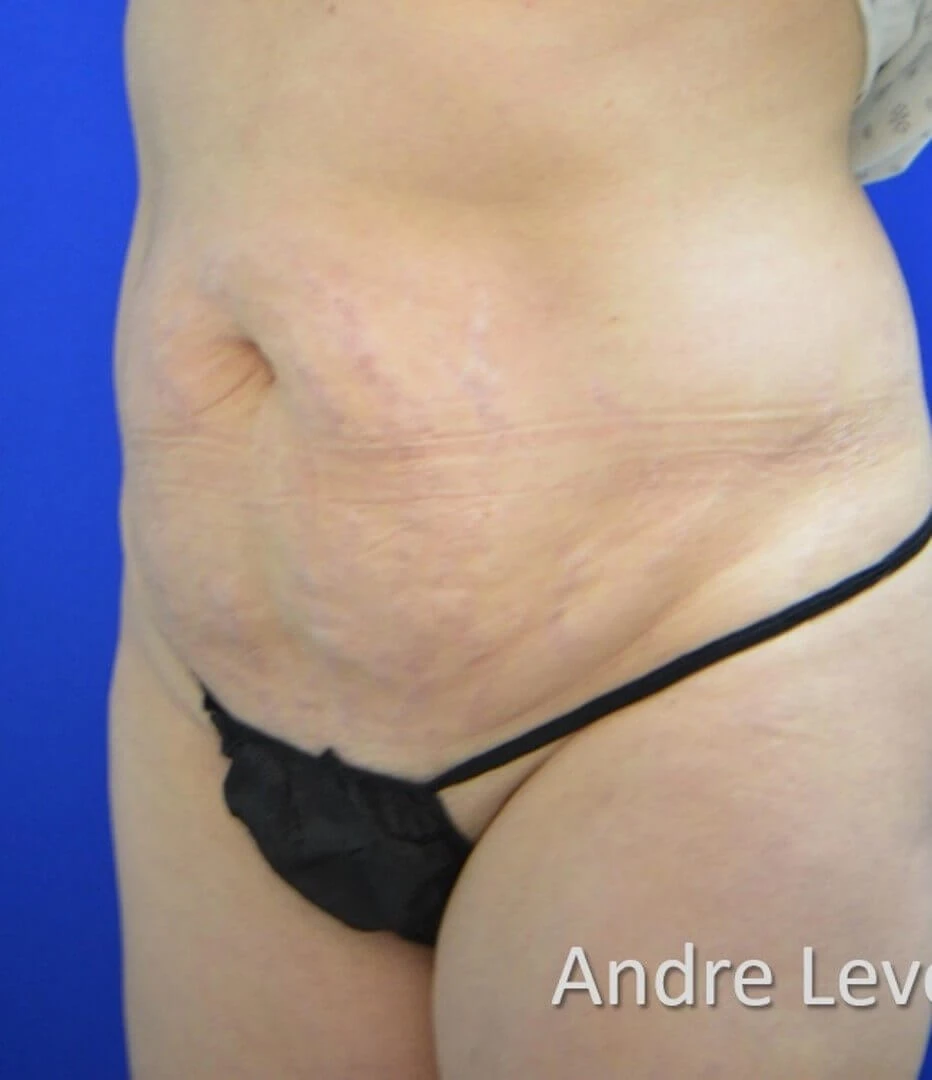
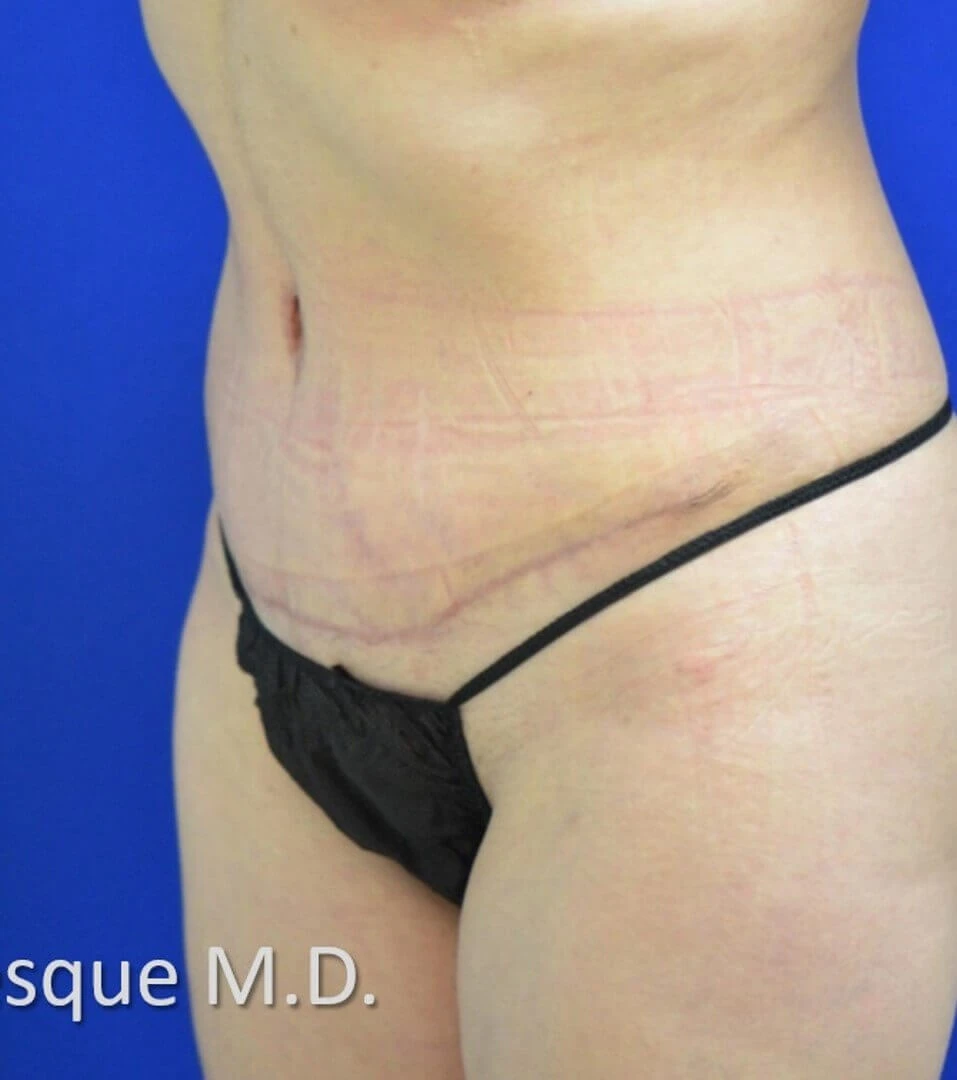
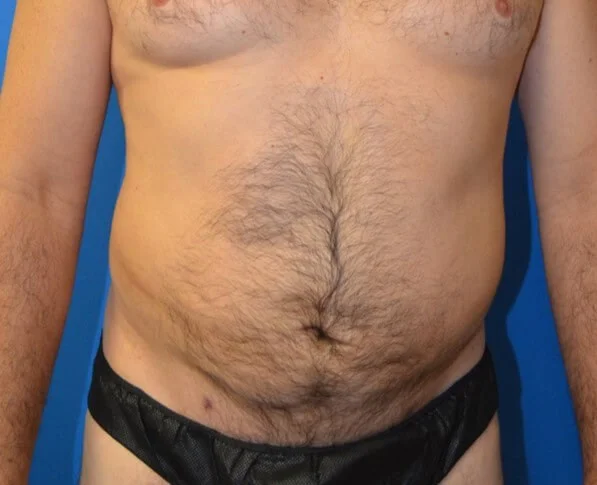
Tummy Tuck Before & After
All photos are of Dr. Levesque's own patients, presented with permission. Hover each card to see the after.
Am I a Candidate?
Here's a general guide — Dr. Levesque will assess your candidacy personally at consultation.
Good Candidates Typically Have:
- Excess abdominal skin after pregnancy, weight loss, or aging
- Diastasis recti (separated abdominal muscles) causing a bulge
- Loose skin that does not respond to diet and exercise
- Stable weight for 6+ months — near goal weight
- Done with pregnancy (future pregnancies compromise results)
- Non-smoker or willing to quit ≥4 weeks before surgery
Factors That May Affect Candidacy:
- Planning future pregnancies — wait until done
- Active smoking — greatly increases complication risk
- Significantly overweight — weight loss before surgery recommended
- Expecting dramatic weight loss in the near future
What Does a Tummy Tuck Cost?
Tummy tuck cost at Levesque Plastic Surgery depends on the extent of skin excess, whether diastasis repair is needed, and whether liposuction is combined.
Many patients combine tummy tuck with liposuction or breast procedures — a combined quote is provided for any package.
Dr. Levesque provides a transparent, itemized quote at consultation. Financing through CareCredit, Alphaeon, Cherry, and PatientFi is available.
Get Your Quote →Financing Partners


Your Recovery, Week by Week
Everyone heals at their own pace, but here's a realistic timeline for a full abdominoplasty with muscle repair.
What Patients Say
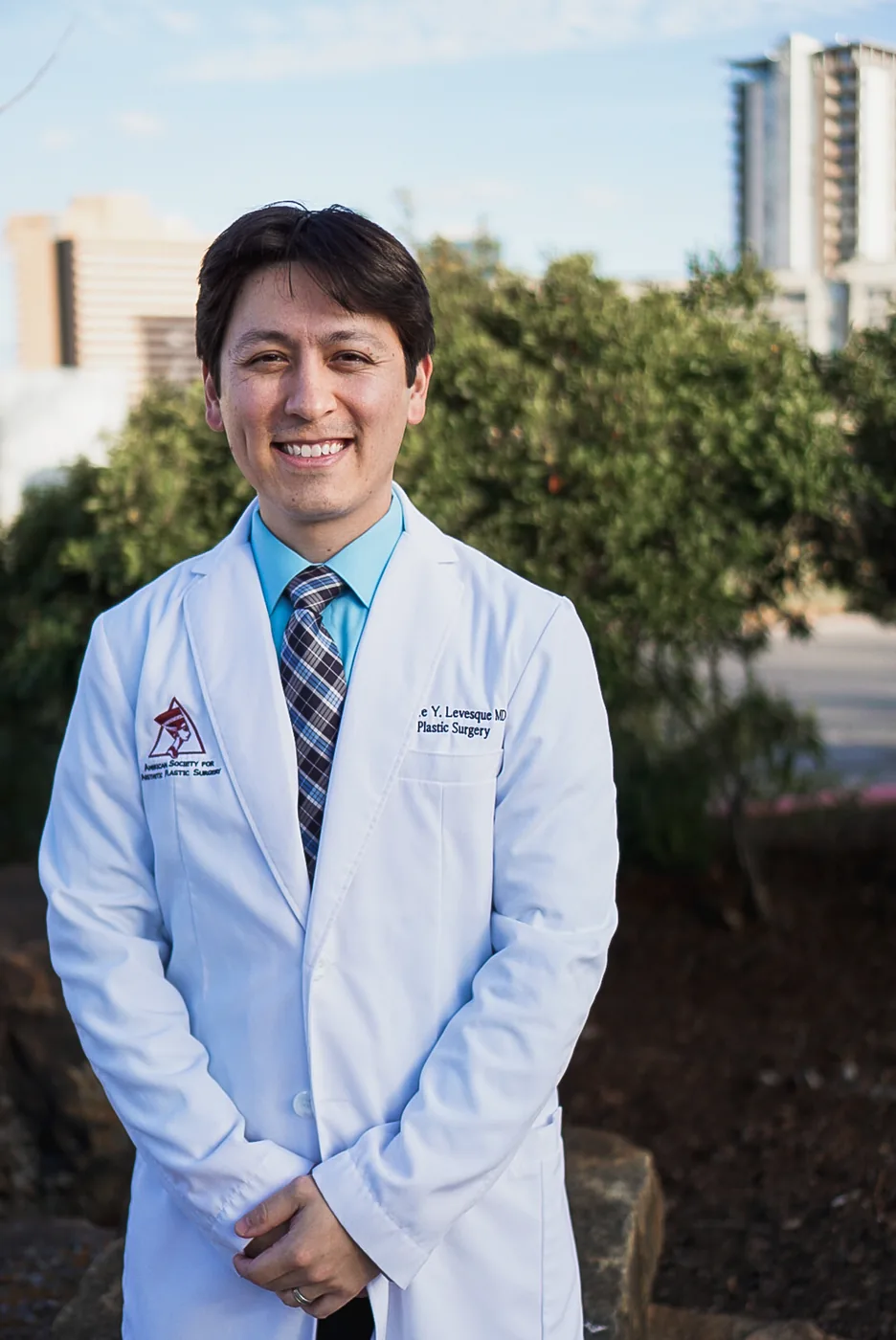
Dr. Andre Y. Levesque, MD
Dr. Levesque approaches the tummy tuck as a reconstruction of the abdominal wall — not just a cosmetic procedure. Repairing diastasis recti, removing excess skin, and refining volume with liposuction together produce a result that is both aesthetically transformative and functionally restorative.
His patients who have undergone tummy tuck after pregnancy consistently describe the result as giving them their body back — something no amount of diet or exercise could accomplish alone.
Schedule with Dr. LevesqueTummy Tuck FAQ
Glossary & Medical References
- Abdominoplasty
- The medical name for a tummy tuck — surgical removal of excess abdominal skin and fat with repair of the abdominal wall.
- Diastasis recti
- Separation of the vertical abdominal muscles, common after pregnancy, that creates a bulge diet and exercise can't fix.
- Rectus plication
- Internal sutures that bring the separated abdominal muscles back together, restoring core support and a flat contour.
- Panniculectomy
- Removal of a hanging apron of lower-abdominal skin (the pannus) — sometimes medically necessary, and distinct from a cosmetic tummy tuck.
- Levesque AY, Daniels MA, Polynice A. Outpatient Lipoabdominoplasty: Review of the Literature and Practical Considerations for Safe Practice. Aesthetic Surgery Journal. 2013;33(7):1021–1029. PubMed
- American Society of Plastic Surgeons — Tummy Tuck (Abdominoplasty) procedural overview & safety. plasticsurgery.org
- American Board of Plastic Surgery — board certification standards. abplasticsurgery.org
- Peer-reviewed literature on abdominoplasty outcomes and complication rates (PubMed). pubmed.ncbi.nlm.nih.gov
This page is for general education and is not medical advice. Individual results and recovery vary. Consult a board-certified plastic surgeon about your specific situation.
Request a Consultation
Consultations are with Dr. Levesque, personally. Fill out the form below and our team will contact you within one business day.