Low Light Therapy
Gentle LED light therapy that calms inflammation, supports clearer skin, and enhances your other treatments — painless, with zero downtime.
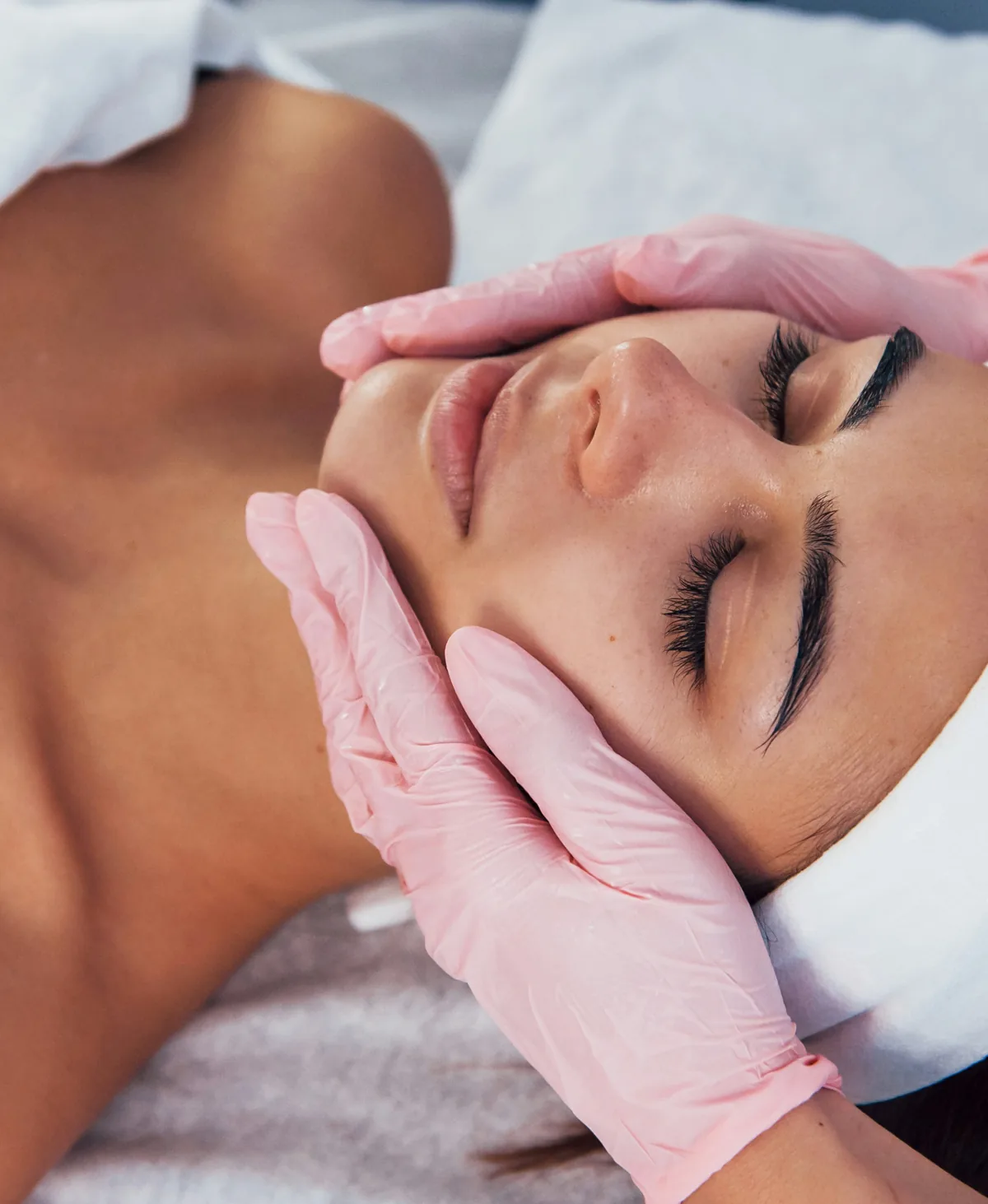



Low light therapy (also called LED or low-level light therapy) uses specific wavelengths of light to gently support the skin — calming inflammation, helping clear acne-causing bacteria, and encouraging a healthy glow. It’s painless, has zero downtime, and makes an excellent add-on to other treatments and to recovery.
Low Light Therapy — Gentle Light, Real Support
Different wavelengths of LED light do different things in the skin. Red light supports circulation, collagen, and a calmer, more rejuvenated complexion; blue light helps target the bacteria involved in acne. The treatment is warm, relaxing, and completely non-invasive.
On its own, low light therapy is a gentle way to support skin health and calm breakouts. As an add-on, it complements microneedling, peels, and injectables, and can help soothe and support the skin during recovery.
Because it’s so gentle, it’s suitable for essentially all skin types with no downtime — a easy, feel-good addition to a skincare routine.
- Acne and breakout-prone skin
- Redness and inflammation
- Overall tone and glow
- Soothing skin after other treatments
Low light therapy is painless with zero downtime — most often used to enhance and support your other treatments and recovery.
Is It Right for You?
Low light therapy is one of the most universally gentle treatments we offer. It’s a good fit if you:
- Want a painless, no-downtime way to support skin health
- Are managing acne or breakout-prone skin
- Want to enhance and soothe results from other treatments
- Prefer a gentle option suitable for sensitive skin
Low light therapy delivers the most value layered into a broader skincare or treatment plan — ask us how to include it.
How the Light Works
✓ Medically reviewed by Dr. Andre Y. Levesque, MD · Board-certified plastic surgeon (ABPS) · Last reviewed March 17, 2026
Different wavelengths of light do different work in the skin. Red light (around 630 nm) is absorbed by the cells’ energy centers and supports circulation, collagen production, and a calmer, more even complexion. Near-infrared reaches deeper to aid tissue recovery. Blue light (around 415 nm) targets C. acnes, the bacteria involved in breakouts, which is why it’s useful for acne-prone skin.
A session is simple: your eyes are shielded and you relax under the light panel for roughly 15–20 minutes. There’s no heat injury, no needles, and nothing to recover from — it’s one of the gentlest things we offer. Because the effect is cumulative, low light therapy works best as a consistent series and pairs naturally with microneedling, peels, and post-procedure recovery, when a little extra support helps the skin settle.
Each color of light does something different
Our LED system delivers several clinically studied wavelengths, each absorbed at a different depth in the skin. In a session we select the color — or combination of colors — that matches your goal.
Antibacterial action that targets acne-causing bacteria and helps control excess oil (sebum) production — the go-to for breakout-prone skin.
Increases fibroblast activity and collagen and elastin production, softening the look of fine lines and supporting firmer, more elastic skin.
Helps improve the look of uneven pigmentation and supports lymphatic circulation for a clearer, more even tone.
Penetrates deepest to accelerate wound healing and stimulate vascular repair — which is why it pairs so well with recovery after other treatments.
The science behind it is called photobiomodulation: these wavelengths are absorbed by chromophores in the mitochondria of your skin cells, which boosts cellular energy (ATP), increases blood flow, and activates the skin’s natural repair pathways. Because nothing is cut, heated aggressively, or removed, the treatment is painless and carries no downtime.
A calm, easy session
Sessions are short, warm, and relaxing — you simply rest while the light panel does the work, typically for a few minutes per area. There is no numbing, no discomfort, and nothing to recover from; you can return to your day, and to makeup, right afterward. Because light therapy builds on itself, it delivers the most visible benefit as a consistent series and as an ongoing add-on to microneedling, peels, injectables, and post-procedure recovery.
Frequently Asked Questions
Light your cells can use
Low light therapy — also called LED light therapy or photobiomodulation — uses specific, gentle wavelengths of light to stimulate activity inside your skin cells. Unlike a laser, it produces no heat and no injury; instead, the light energizes the cells' powerhouses (the mitochondria), which supports the skin's own repair and renewal. Different colors do different jobs:
- Red & near-infrared light encourages collagen and calms inflammation — used for fine lines, overall rejuvenation, and to speed healing.
- Blue light targets acne-causing bacteria, helping to calm active breakouts.
Sessions are quick, painless, and relaxing, with zero downtime — you can go straight back to your day. Because the effect is cumulative, low light therapy works best as a short series and pairs beautifully with facials, peels, and microneedling to enhance and speed their results.
A gentle boost, no downtime
Low light therapy is one of the most gentle, low-risk treatments available. It suits all skin types and tones, is comfortable for even sensitive skin, and is a great choice if you want to support skin health, calm redness, or accelerate recovery after another treatment or procedure. Many patients add it on to a facial or use it in the days following a laser, peel, or surgery to help the skin settle faster.
It's a supportive therapy rather than a dramatic one-time fix — the honest expectation is gradual improvement in tone, calmness, and glow over a series, and a helpful boost to your other treatments. As a precaution, let us know if you take medications that cause light sensitivity or have a history of light-triggered conditions, and we'll make sure it's a good fit at your visit.
Add a
gentle glow?
Ask us how low light therapy can support your skincare and recovery.
Request a Consultation